On October 21, 2011, Michigan State Trooper Craig Ziecina pulled over an elderly man driving a Lincoln Mark LT pickup on Interstate 94 near Chelsea. What looked like a routine stop for improper lane use quickly turned serious. A drug-sniffing dog alerted to the truck bed. Inside five duffel bags officers found 104 kilograms about 229 pounds of cocaine, packed in 104 bricks and valued at roughly $2.9 million.
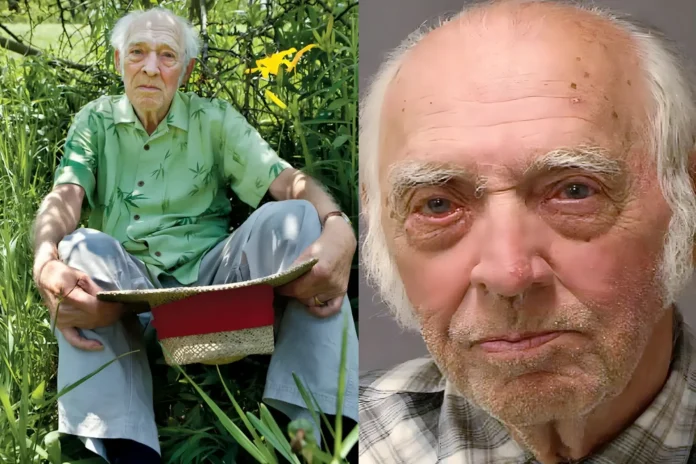
The driver was 87-year-old Leo Earl Sharp Sr., a decorated World War II veteran and well-known daylily farmer from near Michigan City, Indiana. He was no ordinary suspect.
Sharp had served as a private first class in the 88th Infantry Division during the Italian Campaign and received a Bronze Star. After the war he built Brookwood Gardens, a roughly 46-acre operation where he hybridized daylilies. He registered dozens of varieties with the American Hemerocallis Society, including popular smaller, vibrantly colored blooms such as ‘Brookwood Ojo Poco.’ Fans visited by the busload. One cultivar even carried his name: Hemerocallis ‘Siloam Leo Sharp.’
By the late 2000s his flower business faced financial pressure as mail-order sales declined. According to his lawyer, Mexican laborers on the farm introduced him to contacts tied to a Detroit-area branch of the Sinaloa Cartel. Sharp began hauling cash, then cocaine. Cartel associates called him “Tata” or “El Tata” grandfather.
Federal prosecutors later said he completed seven trips carrying more than 1,200 kilograms of cocaine from Arizona to Michigan and received more than $1 million for the work. His age, clean record, and cover as a flower grower traveling to shows made him an effective courier. DEA agents tracking the network already knew of “Tata” when they arranged the 2011 stop.
Sharp pleaded guilty in October 2013 to conspiracy to distribute cocaine. On May 7, 2014 his 90th birthday U.S. District Judge Nancy G. Edmunds sentenced him to three years in prison plus supervised release and ordered forfeiture of $500,000 and Florida real estate. He told the court,
“I’m really heartbroken I did what I did, but it’s done,”
And even offered to grow Hawaiian papayas to pay the fine. Prosecutors had sought five years; guidelines pointed higher. Defense arguments about dementia and health issues did not keep him out of prison, though he was released early in 2015 on humanitarian grounds.
Sam Dolnick’s 2014 New York Times Magazine investigation, “The Sinaloa Cartel’s 90-Year-Old Drug Mule,” brought the case national attention and directly inspired Clint Eastwood’s 2018 film The Mule. The movie changes names and adds fictional elements; the core contrast between respected horticulturist and high-volume courier remains rooted in the court record and contemporary reporting.
No public evidence shows Joaquín “El Chapo” Guzmán personally recruited or directed Sharp. Authorities linked him to a trafficking organization with ties to the Sinaloa Cartel. The 104-kilogram seizure that ended his run was only part of the larger activity prosecutors attributed to him. The story continues to resurface because the facts themselves are almost unbelievable: a Bronze Star veteran and prize-winning flower grower who, for years, moved serious weight for a major cartel network until one traffic stop on a Michigan highway closed the chapter.