

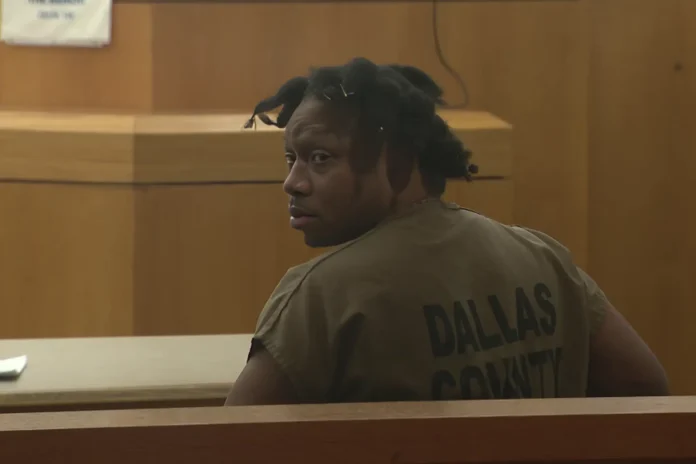
A Dallas County jury needed only about three hours on September 4, 2026, to convict Kewon Dontrell White of capital murder in the killing of Dallas rapper MO3. Judge Chika Anyiam immediately sentenced the 27-year-old to life in prison without parole.
Nearly six years after the brazen midday ambush, the verdict delivers the first conviction in a high-profile case that has long gripped the Dallas hip-hop scene.
On November 11, 2020, Melvin Noble, who is commonly referred to as MO3, was driving his car in the northbound direction of Interstate 35E just near the Dallas Zoo. At that point, another car was approaching his vehicle. Both vehicles came to a stop and Noble stepped out of his car trying to take something from the passenger seat and run away from there. The assailant who was wearing a mask and armed with an assault rifle began chasing Noble and shooting at him. Noble was shot about 13 times and died later at the hospital.
MO3, 28 at the time of his death, had built a strong following with street-rooted tracks like the 2018 hit “Errybody.” He represented a rising generation of Dallas talent whose career was still climbing.
Prosecutors argued the shooting was no random road-rage incident. They said White acted as the hired gunman in a plot tied to a long-running feud between MO3 and rival Dallas rapper Yella Beezy (Markies Conway). Evidence presented at trial included surveillance footage, cellphone location data that prosecutors said showed monitoring of Noble for about 18 hours beforehand, witness accounts of the masked shooter, and financial records highlighting a $40,000 cash withdrawal by Conway days after the killing. Prosecutors linked that withdrawal to an alleged payment of roughly $20,000. Concert video from late October 2020 also showed White on stage with Conway.
A witness testified that White later claimed he had “put in work” on the freeway shooting and expected payment. White did not take the stand.
White’s attorneys challenged the identification evidence and the payment element required for capital murder. They argued no eyewitness directly identified their client as the shooter and that large cash withdrawals were routine for Conway. Defense attorney Bree West told jurors the state had shown a murder but not the remuneration needed for the capital charge, urging a lesser conviction that would have allowed parole eligibility.
Prosecutors allege Conway arranged or financed the killing and that Devin Maurice Brown helped coordinate it. Both men have pleaded not guilty and await their own trials. White’s conviction does not decide those separate cases.
Evidence for motive including rap lyrics, social media posts and industry disputes gained attention, bringing back into focus a nationwide discussion on whether creative art could be used in criminal proceedings.
MO3’s mother, Nichole Noble, earlier told the court:
“He was a family man… He was… just my baby.”
After the verdict she offered a victim-impact statement as White wept.
White was already serving nearly nine years on an unrelated federal gun charge. His capital-murder conviction now closes one chapter while the remaining defendants still face trial. For MO3’s family and the Dallas hip-hop community, the first guilty verdict brings a measure of long-awaited accountability nearly six years after a public highway became a crime scene.

