

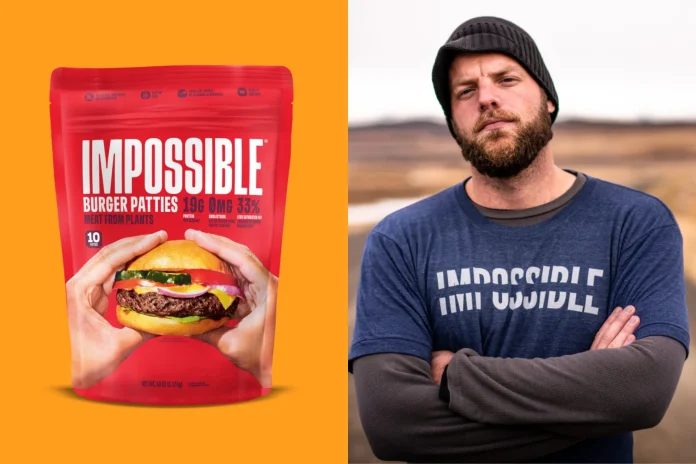
A federal jury has sided with endurance athlete and content creator Joel Runyon against plant-based meat company Impossible Foods Inc., awarding his company $3.25 million after finding willful trademark infringement.
On March 24, 2026, an eight-person jury in the U.S. District Court for the Northern District of California returned a unanimous verdict in favor of Runyon and his company, Impossible X LLC (also referred to as Impossible LLC). The jurors determined that Impossible Foods willfully infringed two of Runyon’s registered federal trademarks covering clothing, apparel, nutritional supplements, recipes and cookbooks. They also found infringement of unregistered common-law trademarks in those categories.
The award includes $1.5 million in compensatory damages, which encompasses costs for corrective advertising to address consumer confusion, plus $1.75 million in punitive damages. The jury specifically found that Impossible Foods acted with malice, fraud and oppression.
Runyon, a self-described digital nomad and influencer who built his “IMPOSSIBLE” brand around 2010, has long used the mark for fitness and lifestyle content, endurance challenges, apparel, supplements, recipes and cookbooks. His motto — “It always seems IMPOSSIBLE until it’s done” — and “Push Your Limits™” branding predated Impossible Foods’ launch of its popular plant-based burgers and meat alternatives.
Impossible Foods originally filed the lawsuit in 2021, seeking a declaration that its use of “IMPOSSIBLE” did not infringe Runyon’s marks and attempting to cancel several of his trademarks. The case, which dragged on for more than five years, included a notable jurisdictional fight that reached the 9th U.S. Circuit Court of Appeals. The appellate court ultimately allowed the matter to proceed in California based on Runyon’s prior business ties to the state, including time spent operating from San Diego.
After extensive discovery, summary judgment proceedings and delays, the dispute went to a two-week jury trial in San Jose. Runyon’s legal team from BraunHagey & Borden LLP, led by Adam Cashman and Marissa Benavides, mounted a successful defense and counterclaimed for infringement.
“Joel’s entire life work, brand and business were at stake in this case — and his rights were completely vindicated,” the firm stated in a release following the verdict.
The outcome represents a rare “David vs. Goliath” win in trademark law. Runyon, who has documented the lengthy battle on his website impossiblehq.com and social channels, positioned it as a large corporation attempting to encroach on a smaller brand’s established rights in non-competing spaces (fitness/lifestyle versus core food products). Impossible Foods, once valued at billions, has faced business challenges in recent years, including declining sales in the plant-based category and executive turnover.
The jury’s finding of willful infringement and malice is notable, as such punitive awards are relatively uncommon and underscore the importance of thorough trademark clearance searches and respect for prior rights under the “first in time, first in right” principle.
The verdict does not require Impossible Foods to rebrand its flagship food products, which enjoy protections in their primary classes. However, it limits the company’s ability to expand freely into apparel, supplements and related lifestyle categories and exposes it to further liability if certain uses continue.
Runyon’s team has indicated it will seek attorneys’ fees and costs, which could substantially increase the total recovery under trademark law provisions for exceptional cases. Impossible Foods is expected to appeal the decision to the 9th Circuit, a process that could take one to two years or longer. Jury findings on factual issues like willfulness typically receive significant deference on appeal.
Post-trial motions, including possible requests for judgment as a matter of law or a new trial, may also be filed before a formal judgment is entered.
For small brands, influencers and creators, the case serves as a reminder of the protective value of early federal trademark registration and documented use in commerce — even when facing well-funded opponents with expansive branding strategies.
Impossible Foods had not issued a detailed public comment on the verdict as of press time. Runyon, who operates primarily as a one-person brand focused on motivational endurance content, has shared updates in a motivational tone across his platforms, including Instagram (@joelrunyon).
This article draws from court records, the jury verdict, statements from Runyon’s counsel and public reporting on the case.

