

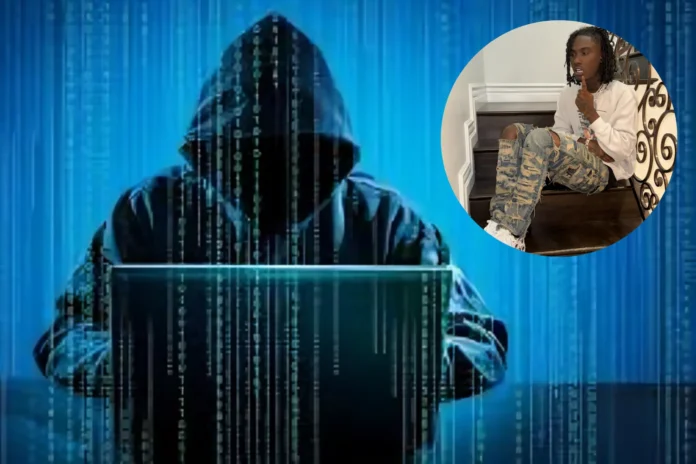
21-year-old rapper OsamaSon, a rising artist from Goose Creek, South Carolina, became the latest high-profile victim of a major cyberattack. As reported on viral X posts and niche music websites like NoMusica, hackers dumped 944 digital files containing 781 unreleased tracks and intimate personal content. The leak, now described as one of the biggest of its nature in music, has left fans, critics, and industry players arguing over its effects.
OsamaSon, whose real name is Amari Middleton, has built a cult following through experimental rap, underground collaborations, and his prolific output. But alongside his artistic rise, he has battled repeated digital breaches. In June 2024, more than 400 songs surfaced online without his consent. Months later, his album Jump Out leaked ahead of schedule in January 2025, forcing an early release. Despite the disruption, the record still climbed the Billboard 200.
“This isn’t the first time OsamaSon has had to fight against his own leaks,”
one fan posted on Reddit.
“But 781 songs? That’s his entire career.”
The latest hack appears to have compromised cloud storage or private servers, according to online chatter. The files spread rapidly across SoundCloud, Telegram, and Discord reportedly include unfinished tracks, studio drafts, and collaborations. Disturbingly, the dump also contained personal messages, childhood photos, and explicit videos, raising ethical concerns about the exposure of private content.
Reactions from fans have been deeply divided. On social media, some expressed sympathy, calling the hack a violation of trust.
“Leaking his private files crosses the line it’s not about music anymore, it’s about his humanity,”
wrote one X user.
Others, however, eagerly traded links and boasted about listening to unreleased tracks.
“It’s like getting an entire discography at once,”
one fan admitted in a Discord thread, illustrating the tension between admiration and exploitation in leak culture.
The music industry has experienced such leaks before. Previously, rappers like Playboi Carti, Lil Uzi Vert, and Juice WRLD had entire collections of unreleased music leak online, spawning bootlegs and unofficial releases. What’s unique about the OsamaSon leak is its scale.
Music analysts warn that such leaks can devastate an artist’s career: robbing them of revenue, disrupting release schedules, and damaging label relationships.
“When this much material surfaces at once, it doesn’t just spoil one album it undermines years of planned work,”
said one industry insider, speaking anonymously.
Beyond finances, the leak raises pressing questions about digital security. The United States Computer Fraud and Abuse Act prohibits illicit access to online accounts, but cases are uncommon, and the international scope of online leaks renders enforcement challenging.
At present, no official confirmation exists from OsamaSon’s camp, and the exact number of files remains unverified. Some online communities argue that parts of the dump may simply repackage earlier leaks. Still, the viral spread across multiple platforms and coverage from independent music blogs make it clear that at least some level of breach occurred.
While fans may view leaks as a way of “preserving art,” they also represent a breach of privacy and copyright law. For OsamaSon, this hack is not just about lost music it is about control over his career and dignity.
A tweet from X.
The incident serves as a reminder that in an age when creative work and personal lives are stored online, artists remain vulnerable targets. Stronger digital protections are clearly needed, but so too is a cultural shift in how fans treat leaked content.
As one supporter posted on TikTok:
“If you really love the artist, you wait for the music the way they intended it. Leaks aren’t love they’re theft.”
For OsamaSon, the road forward now depends not only on repairing his career plans, but also on reclaiming trust in an industry that struggles to protect its rising stars.

