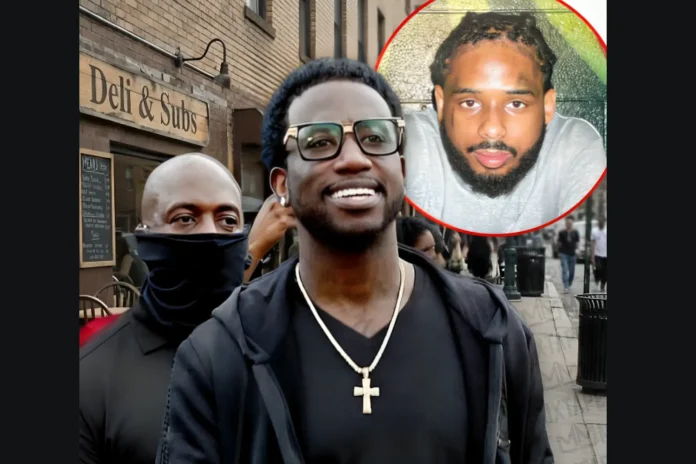
A letter from Gucci Mane’s security guard is adding new tension to the federal case against rapper Pooh Shiesty. The guard reportedly urged a judge to keep the Memphis artist locked up, citing deep fears for his own safety and his family’s if Pooh Shiesty walks free.
A court filing from late June 2026 reveals a prison officer named as a victim in the case expressing deep unease over Pooh Shiesty’s bid for release before his trial next year. Although the rapper’s real name is Lontrell Williams Jr., it’s not just legal names on people’s minds now. Because of what happened, one man says he worries daily about contact from behind bars reaching him or those close to home. His sense of safety shifted sharply after the events unfolded. While talking about life afterward, he mentioned how even small things like kids playing outdoors feel harder now. Since then, normal routines have changed without much notice. Fear, once distant, sits closer these days. The upcoming February 2027 date looms large not only legally but personally.
A judge saw the note when deciding if bail should be allowed. Because of it, officials claimed keeping people safe wasn’t possible outside jail. Held since spring of 2026, he waits behind bars. The system treats each person as blameless unless a trial shows otherwise.
That Tuesday in January 2026 began like any other at the Dallas recording spot until it didn’t. A visit by Radric Davis, known as Gucci Mane, arrived with two others expecting talks about Pooh Shiesty joining 1017 Records. What played out instead veered sharply from plans made earlier that week.
The federal complaint says Pooh Shiesty took part in a violent incident alongside eight others. Among them were his dad, Lontrell Williams Sr., along with rapper Big30, whose real name is Rodney Wright Jr. They seized control through threats involving firearms. Documents filed in court claim he brandished a weapon resembling an AK-type handgun. He made Gucci Mane sign paperwork cutting ties on their deal under pressure. Victims lost valuables like jewelry and money during the event. Someone present said they felt hands around their neck from behind. Evidence gathered includes footage captured on security cameras. Officials also reviewed location tracking info from monitoring devices worn on ankles. Phone logs help support what witnesses told investigators. Statements given by people who saw it unfold back up much of the account.
Pooh Shiesty had been on home confinement for a prior federal case at the time, according to prosecutors.
Timeline of the Case
- January 10, 2026: Alleged armed kidnapping and robbery at the Dallas studio.
- Early April 2026: Arrests of multiple defendants.
- April 2026: Judge denies Pooh Shiesty’s initial bond request, citing seriousness of the charges and danger concerns.
- June 2026: Security guard’s letter surfaces in bond opposition filings.
Some co-defendants, including Big30 in certain reports, have been granted bond under conditions, while others remain detained.
The guard, described as Gucci Mane’s head of security and a retired police officer, detailed his ongoing fears in the submission. He expressed worry that Pooh Shiesty’s alleged actions showed “disregard for safety and well-being of others.” Prosecutors used the statement to highlight potential witness intimidation risks.
Pooh Shiesty rose under Gucci Mane’s 1017 label around 2021 before tensions over the contract reportedly boiled over. The case has split opinions online. Some in hip-hop communities question whether external pressure influenced the letter, while others point to genuine safety risks given the alleged armed confrontation.
Public reactions range from memes and skepticism to calls for accountability in artist-label disputes. Gucci Mane has addressed the situation indirectly through music.
This drama has become one of the most watched legal stories in hip-hop because it mixes contract issues, allegations of violence, and high-profile names. The final outcome will be decided in federal court in the Northern District of Texas not on social media. Prosecutors say evidence includes travel records, fingerprints, and identifications, but defense attorneys continue to challenge the case.
The proceedings remain active. Updates will come as the February 2027 trial approaches.