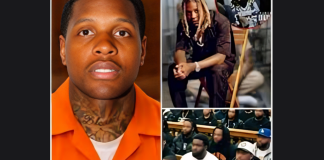
A simple geography quiz from a Chicago elementary school has turned into an online sensation, highlighting the deep ties between hip-hop and young minds in the city’s South Side. Shared on X by @raphousetv2 on November 5, 2025, the image shows a student’s handwriting: “O Block” as the capital of Illinois, rapper Lil Durk as governor, and a wild guess of 50% as the state’s sales tax rate. The post accumulated shares and likes in no time, mixing humor with a sharper edge to make people laugh while also taking a concerned look at what kids actually absorb from music and media.
A tweet from X.
The reactions flowed in quickly. At 00:13 UTC, November 6, 2025, @KongDe05795761 tweeted: “This is hilarious but also reflects poor parenting-the kids know more about rappers than actual leaders.” While others laughed at the joke, some found meaning in even deeper problems. The thread combines humor with critiques about how media shapes views and reflects a 2023 Journal of Youth Studies article that found rap lyrics play a more significant role in shaping notions of authority for teens aged 12-15 years old than schoolbooks in high-poverty areas.
O Block represents Parkway Garden Homes, a complex in the Greater Grand Crossing neighborhood in Chicago. Built between 1950 and 1955 by architect Henry K. Holsman, it earned a spot on the National Register of Historic Places for its role in African-American community history in 2011. Yet, it would derive its name from Odee Perry, a gang member killed in 2011, and it became synonymous with Chicago’s drill rap scene-a gritty hip-hop subgenre born in the early 2010s.
Artists like Chief Keef and King Von thrust O Block into the spotlight, with Von’s 2020 murder adding to its lore. Lil Durk, born Durk Devontay Banks in 1992, hails from nearby Lamron, not O Block itself. As founder of the Only the Family (OTF) collective, he has referenced the area in tracks like “O Block,” despite clarifying in 2020:
“I’m not from there, but it’s part of the story.”
His rise, marked by mixtapes like “Signed to the Streets” in 2013, underscores drill’s blend of street tales and melody.
This cultural pull explains the quiz’s choices. A 2024 Frontiers in Education article notes how hip-hop pedagogy shapes student identities, often eclipsing traditional lessons in underserved areas.
The post lacks school or teacher verification, raising doubts. Its polished layout suggests possible staging for clicks, a tactic seen in past hoaxes like 2024’s fake rapper-city memes, debunked by Snopes. No credible reports back the incident, per Chicago Public Schools updates.
Beyond the laughs, the quiz spotlights hip-hop’s role as an informal educator where schools struggle. Chicago’s South Side faces budget cuts hitting arts programs hardest, per a Chicago Tribune piece noting a 15% rise in parental concerns over drill’s impact since 2020. Yet, initiatives like DukeEngage’s 2025 hip-hop advocacy programs, February 11, 2025) show music’s potential for positive change.
A 2022 University of Chicago report found no direct link between drill and crime, but the genre offers resilience amid poverty. Dr. Kisha Daniels, in her work on critical pedagogy, argues students reinterpret authority through these lenses. This viral moment, whether staged or genuine, reveals pride in local icons like Durk who funds scholarships while urging better bridges between culture and classrooms.
As debates rage on X under hashtags like #OBlock, it’s a reminder: youth voices, shaped by their world, deserve empathy over judgment. For now, Springfield holds firm as capital, but O Block reigns in hearts.