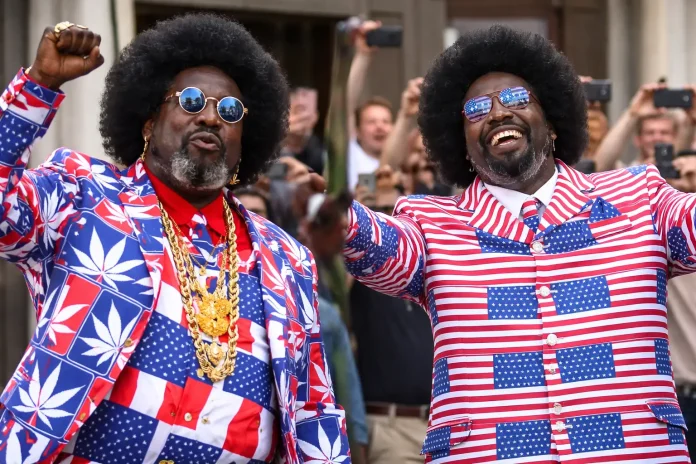
A jury in Ohio has ruled decisively in favor of Afroman, bringing an end to a three-year legal battle over the rapper’s use of police raid footage in a series of viral music videos.
The unanimous verdict, delivered March 18 in Adams County, dismissed all claims filed by several sheriff’s deputies who had accused the artist — born Joseph Foreman — of defamation, invasion of privacy and intentional infliction of emotional distress. The deputies’ lawsuit stemmed from Afroman’s 2022 releases, including “Will You Help Me Repair My Door” and “Lemon Pound Cake,” which incorporated surveillance footage from a search of his Ohio home.
“In all circumstances, the jury finds in favor of the defendant,” the judge said while reading the decision in court, concluding the case with a full defense verdict.
The dispute dates back to August 2022, when members of the Adams County Sheriff’s Office executed a search warrant at Afroman’s residence in Winchester, Ohio, over allegations involving drugs and kidnapping. Authorities ultimately recovered no evidence supporting those claims, and no charges were filed. The raid, however, resulted in property damage — including a broken door — and was captured on the rapper’s home security system.
Afroman later used that footage as the basis for multiple music videos that blended humor, critique and commentary. “Will You Help Me Repair My Door” directly references the damage to his home, while “Lemon Pound Cake” pokes fun at officers’ conduct during the search, including a widely discussed moment involving a dessert in the kitchen. Another track, “Lick’em Low Lisa,” drew particular attention during the trial for its pointed tone toward one of the deputies involved.
In their 2023 complaint, the deputies argued the videos portrayed them in a false light, harmed their reputations and caused emotional distress, with some testifying that the clips led to ridicule and online harassment. Afroman’s legal team countered that the works were clearly satirical and protected under the First Amendment, emphasizing that the footage documented a real involving public officials performing their duties.
During testimony, Afroman described the videos as both a creative response to the incident and a way to recoup losses from the damage caused during the search. His attorneys also argued that law enforcement officers have limited expectations of privacy in such contexts, particularly when their actions become a matter of public interest.
Following the verdict, clips from inside and outside the courtroom quickly spread online, with fans and observers framing the outcome as a broader win for free expression. Many reactions referenced Afroman’s breakout hit Because I Got High, while others called for accountability over the original raid.
The case adds to an ongoing national conversation around police conduct and artistic freedom, underscoring the legal protections afforded to satire — especially when it draws directly from real-life events. For Afroman, the decision marks a definitive legal victory and closes a chapter that transformed a disputed police search into one of the most talked-about viral moments of his career.