

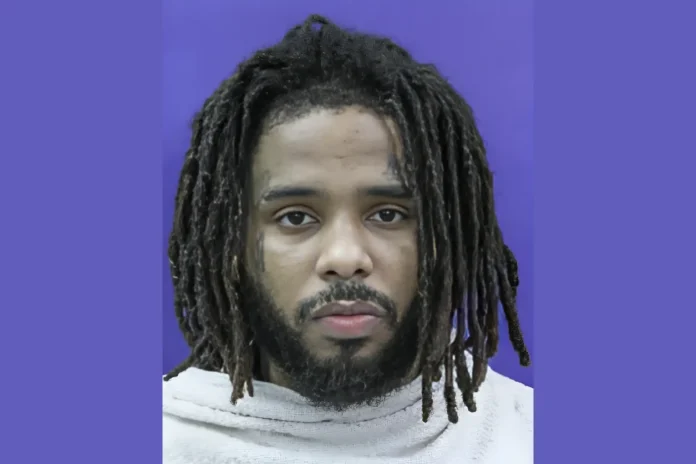
Memphis rapper Pooh Shiesty scored a key win in federal court this week over the conditions of his pretrial detention in Texas. On November 10, 2026, U.S. District Judge David Godbey in the Northern District of Texas approved relief from the reported 23-hour daily isolation after prosecutors and the defense reached an agreement on improved housing and more family contact.
Shiesty, whose legal name is Lontrell Denell Williams Jr., has been held at Rolling Plains Regional Jail in Haskell, Texas, since around July 1 while awaiting trial. His lawyers, including Kent Schaffer, filed an emergency motion in mid-October arguing the setup was too restrictive for a pretrial detainee who has not been convicted in the pending case. They described nearly around-the-clock isolation in a small cell, constant lighting that disrupted sleep, limited human interaction, and visitation cut to just two hours a month. One family visit from his aunt was reportedly cut short. The isolation, they said, fueled anxiety and mental strain, with only vague claims that it was “for his own protection” and no major disciplinary record of violence at the facility.
Schaffer later told Complex the outcome was
“crucial.” “Judge Godbey started the hearing by expressing his concern regarding the confinement and instructed the government to work with us to find a sensible solution. It looks like we have reached an agreement and Lontrell will hopefully be in a new facility within a few days,”
He said. He added that Shiesty had been locked in the cell 23 hours a day since July 1 with contact limited mostly to an iPad, lights left on day and night, and sleep limited to a few hours at a time.
Prosecutors had pushed back hard. They cited safety and order concerns, including other inmates trying to reach Shiesty for autographs, earlier supervision issues, and a reported fentanyl admission. They also highlighted his tablet access for video calls, thousands of emails, Netflix, games, and other content pointing to roughly 231 video visits totaling about 45 hours as evidence the conditions were not inhumane.
The defense countered that screen time cannot replace real human contact.
“Screen time does not substitute for human contact, and the government cites no case holding otherwise,”
Attorneys wrote in a court reply.
Under the agreement, the 23-hour lockdown ends unless there is a clear, individualized, and documented security or disciplinary reason. Visitation rises from two to four hours a month. Officials are working to place him in a more suitable facility, though no specific new jail or completed transfer has been publicly confirmed. Shiesty remains in custody.
This fight is separate from the underlying federal case. Prosecutors allege that in January 2026 at a Dallas recording studio, Shiesty and co-defendants took part in an armed robbery and kidnapping tied to a dispute over his recording contract with Gucci Mane’s 1017 Records. Allegations include forcing contract-related paperwork at gunpoint and taking valuables. Shiesty has pleaded not guilty. Trial is set for February 2027. These remain unproven accusations.
The episode underscores ongoing questions about solitary-style restrictions on pretrial detainees, mental health impacts of isolation, and the line between legitimate security measures and conditions that start to look like punishment before any conviction. For now, the court has directed a path toward more humane housing while the case moves forward.

