Google isn’t just asking how old you are anymore. Its system can estimate your age from signals already tied to your account and it’s live in Canada.
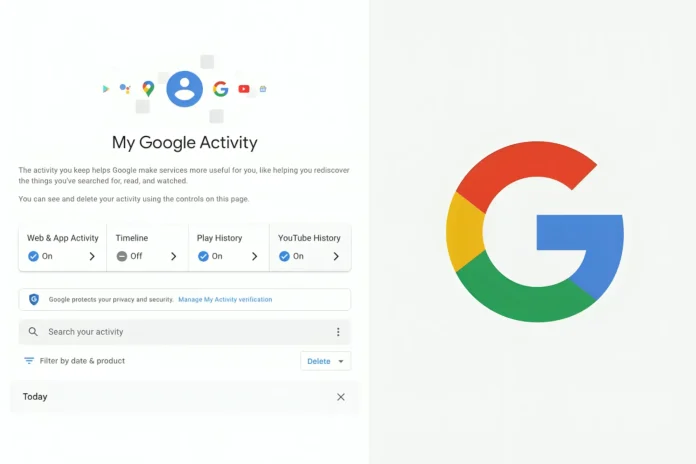
On September 14, 2026, Google Canada announced a gradual rollout of AI-powered age assurance technology. In a blog post by Jeanette Patell, Director of Government Affairs & Public Policy, the company said the machine-learning model analyzes existing account signals, including “the types of information a user has searched for or the categories of videos they’ve watched on YouTube.” No new data is collected specifically for the process.
When accounts are estimated to be younger than 18 years old, additional restrictions kick in: YouTube Digital Wellbeing features (breaks and bedtime reminders), protections against age-based recommendations, Maps Timeline is turned off, targeted ads are restricted, and only adult-only content from Google Play Store can be accessed. Users are notified via email and in-app notifications.
There is one important distinction here. The age estimation algorithm works in the background based on what’s available in the account. Age verification is the solution. According to Google, in case their algorithm makes a mistake in terms of user’s age, the user has an opportunity to fix it, providing a picture of their government ID or just a selfie.
Canada’s move followed a similar initiative in the U.S., which Google had introduced back in 2025 based on machine-learning signals and having similar safeguards for accounts estimated to be under 18 years of age.
The viral X report about Google using the search and YouTube browsing history of Canadians to estimate whether they are under 18 years of age and imposing additional restrictions on those accounts is quite correct. It is consistent with the September 14 announcement by Google.
Google has not disclosed accuracy rates, how many accounts are affected or the weight of specific algorithms. Privacy advocates have raised concerns about behavioral profiling and the verification step as echoes of criticism around the launch in the U.S. while Google argues the approach is privacy-preserving by reusing existing signals and limiting new collection.
For the American audience, this is a sure sign that platforms are moving away from stated ages to deduced ages. Watch out for your account alerts if you are logged into your profile above the border. This is being done in phases, and Google assures it is monitoring its growth carefully.