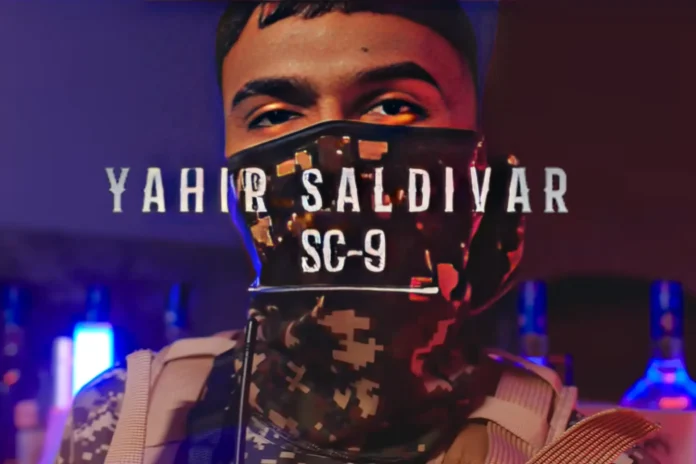
A memorable cumbia soundtrack that features lyrics dealing with armored convoys, patrolling of their turf, and instilling fear has amassed an extremely high number of plays through the use of stream platforms. The song “SC-9 / La Chimichanga” by Yahir Saldivar is a narcocorrido combined with a vibrant “cumbia bélica” genre and has achieved over tens of millions of plays with over 180 million video views on YouTube.
Footage showing masked gunmen in tactical clothing, bright neon nightlife settings, and dance routines has quickly gained momentum via TikTok, Instagram Reels, and X.
Ballads once sang of rebels under wide desert skies. Today some tell tales laced with cartel names, fast cars, slow betrayals. They began a hundred years ago near dusty border towns. A new wave rose when certain singers gave voice to forbidden journeys. One group helped push these songs into crowded dance halls across two nations. Loyalty appears now and then, tangled with danger. Power shows its face through gritted teeth.
A tweet from X.
“War cumbias” or cumbia bélica add upbeat, danceable cumbia rhythms to these themes. Claims that this “narcoculture” is entirely new overlook its decades-long presence in northern Mexico and among diaspora communities. Streaming algorithms have accelerated its reach into mainstream youth culture in Mexico and the U.S. by recommending it in playlists and short-form videos.
Out near Matamoros, in Tamaulipas, Yahir Saldivar dropped the official track “SC-9 / La Chimichanga” on February first, two thousand twenty-four – visuals came just a few days later. Spoken like someone deep inside the story, the words talk up armed groups riding together, bulletproof trucks built tough, rifles stacked high, thick necklaces gleaming, control over territory held tight.
Midway through the lyrics sits a tribute to Escorpión 9 – called SC-9 or La Chimichanga a figure said to lead part of the Gulf Cartel’s Los Escorpiones group near Matamoros and Río Bravo. Reports claim he died April 9, 2024, caught in gunfire against enemies from the Metros crew in Río Bravo, Tamaulipas. With him fell his guard, Comandante Bolis, both lost that day.
Saldivar publicly mourned the figure on social media and, according to widely circulated videos and reports, performed the song at the funeral.
Out here, the song’s rise stirred talk on making crime syndicates look good. Some say tunes like this paint brutality as something noble, possibly shaping young minds where cartels hold sway. Now and then, government bodies in Mexico shut down narcocorrido shows, tugging at tensions around free expression and who controls the stage.
Some people see it as today’s version of folk tales, showing life’s tough truths much like arguments once made about American gangster rap. Platforms let these stories live online, caught between free speech and the messy job of policing content when algorithms decide what spreads.
As regional Mexican music continues its global growth, tracks like “SC-9” highlight how entertainment, social media, and border realities intersect. The beat keeps playing while questions about its cultural impact remain.