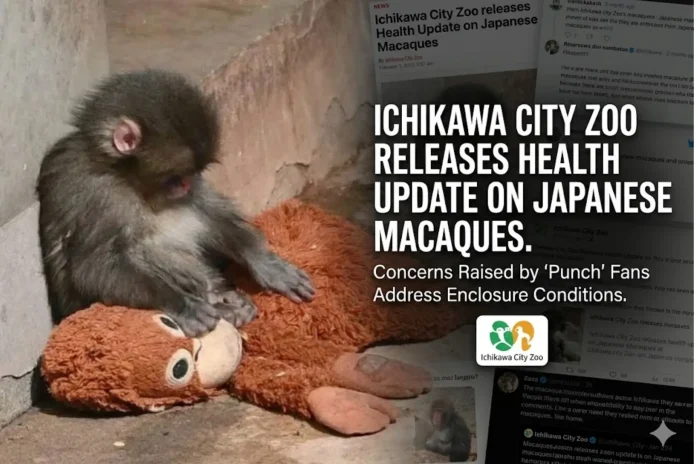
A baby Japanese macaque named Punch came into the world on July 26 2025 at the Ichikawa City Zoological and Botanical Garden in Chiba Prefecture Japan only to be abandoned by his mother within moments of birth. His young first time mother rejected him possibly overwhelmed by a difficult labor during a sweltering summer heatwave and the demanding realities of primate motherhood. Zookeepers immediately stepped in to hand raise the fragile newborn with round the clock bottle feedings and constant human contact to keep him alive and thriving through those critical early weeks.
Keepers recognized that newborn macaques instinctively cling to their mothers not just for warmth but for emotional security and muscle development so they began testing substitutes. Rolled up towels and other stuffed animals fell short until they introduced a soft orange orangutan plush toy from IKEA known as the Djungelskog model with its long grippable fur and primate like features. Zookeeper Kosuke Shikano and his team selected this specific toy because it provided the perfect hold for Punch to grasp while offering a familiar appearance that could one day ease his return to the troop. From that day forward the plush nicknamed Ora mama by fans became his constant companion a surrogate he would drag hug sleep with and run to for comfort in times of distress.
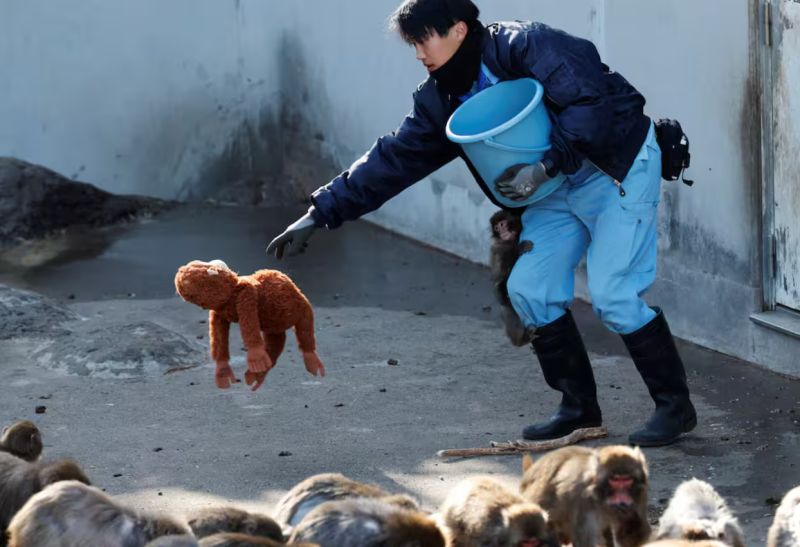
Punch faced further heartbreak when keepers reintroduced him to the larger macaque troop in January 2026 hoping for natural socialization. Instead the young outsider encountered rejection from the group with adults and juveniles chasing pushing or ignoring him as he tried to fit in. Visitor captured videos showed the tiny seven month old being dragged across the enclosure by an adult female after approaching another infant then immediately fleeing to clutch his oversized plush in a quiet corner his small face pressed against the fur in clear need of reassurance. These raw moments of loneliness and resilience captured on camera struck a deep chord with viewers worldwide.
The footage spread like wildfire across social media platforms beginning in mid February 2026 when clips posted by zoo visitors and amplified by accounts on X Instagram and TikTok racked up tens of millions of views within days. The heartbreaking contrast of a vulnerable baby finding solace only in an inanimate toy while battling isolation in his own family group triggered an outpouring of empathy fan art supportive messages and even calls for his protection. The story gained even more momentum when IKEA Japan donated 33 additional stuffed toys to the zoo on February 17 and international figures including late night host Stephen Colbert referenced the little primate turning Punch into a global symbol of quiet strength and the universal longing for belonging.
Officials at the Ichikawa City Zoological and Botanical Garden recently released a detailed public update to address widespread concerns sparked by the viral attention including questions about visible hair loss among some troop members. Veterinary checks confirmed the macaques maintain healthy weights with no underlying illness and the alopecia results primarily from increased winter grooming as the group huddles for warmth a documented natural behavior in captive Japanese macaques. Staff have dedicated three members since June 2025 to study and test improvements drawing on both local and international practices while keeping four rear rooms open for retreat spaces that Punch himself uses during integration efforts.
The zoo prioritizes Punch safe gradual acceptance into the troop before any major enclosure changes to avoid added stress or bullying that could reverse his progress. Recent observations show encouraging signs with the young macaque playing alongside peers receiving grooming from adults and displaying normal social behaviors even as he keeps his beloved plush close during quieter moments. This measured approach balances public passion with proven animal welfare principles ensuring the entire troop benefits from the heightened awareness his story has brought.
Social media has transformed how the world connects with captive animals allowing rapid sharing of both joyful and difficult realities that drive meaningful conversations about care standards. In Punch case the emotional videos not only boosted zoo visitation with lines stretching for hours but also highlighted the power of compassion to spotlight everyday challenges faced by zoo residents. The garden continues to welcome supporters while reminding everyone that true progress comes from patience observation and respect for the macaques natural group dynamics. Fans worldwide now follow his journey with renewed hope as this resilient little primate teaches lessons about healing connection and the unexpected ways comfort can arrive in life.