

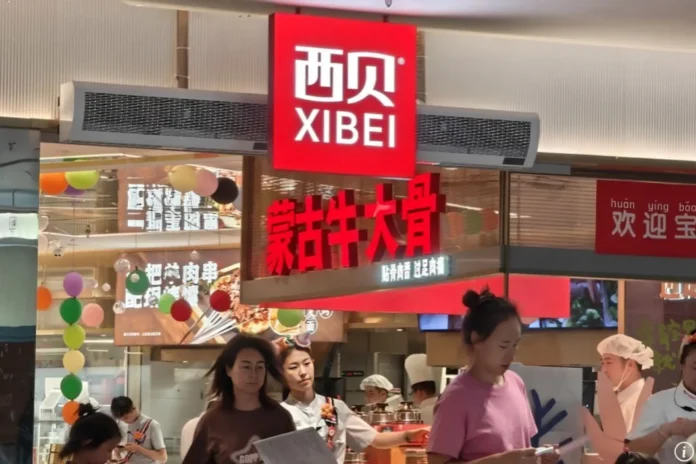
One bad review from a big influencer, one post on Weibo, and bam a restaurant chain that’s been around for 38 years is suddenly losing hundreds of millions. Back in September 2025, this Chinese entrepreneur and huge influencer named Luo Yonghao went to a Xibei spot in Beijing. He ordered 13 dishes, didn’t like them at all, and blasted them online. Called the food “disgusting,” said they were just reheating frozen stuff but charging like it was all fresh-made, and pushed for rules where restaurants have to tell you if it’s not cooked from scratch.
That post blew up millions of views in no time, memes everywhere, people calling for boycotts, livestreamers piling on, and it sparked this huge debate across China about being honest with food. Luo’s like a mix of MrBeast and a tough consumer advocate over there: he used to start a smartphone company, now he’s a livestream superstar with followers in the tens of millions. When he talks, people listen, and this hit Xibei right where it hurts. By January 2026, the founder Jia Guolong admitted it: they’re looking at losses over 500 million yuan (that’s about $72 million), and they’re closing 102 stores around 30% of what they had, which means thousands of jobs gone.
A tweet from X.
Xibei fought back hard at first. Jia said their dishes aren’t technically “pre-made” by the official standards they’re prepped in a central kitchen and finished up in the store. He even talked about suing Luo for defamation, invited people to check out their kitchens, and rolled out this sassy “Luo Yonghao Menu” where if you don’t like it, you don’t pay. But things kept getting worse. Luo came back stronger with livestreams on different platforms, showing off these frozen ingredients with super-long shelf lives, and he put up a 100,000 yuan reward for anyone proving Xibei was hiding the pre-made stuff. Eventually, Xibei said sorry, admitting they didn’t meet what customers expected and promising more cooking on-site plus better transparency.
All this the money lost, stores shutting down, the apology it’s all backed up in reports from various places. What’s still up for argument is what “pre-made” really means: Xibei swears their method doesn’t fit the strict rules, but critics and a ton of regular folks say selling reheated frozen food at fresh prices is just sneaky. The big takeaway? Viral stuff whether it’s spot-on, kinda true, or debatable can wreck a business super fast, before anyone sorts out the full story.
That’s what got Beijing worried. The People’s Daily, which is basically the Communist Party’s main outlet, jumped in with articles saying this was “particularly concerning”: one guy’s post almost killed off a big company that employs a lot of people. State media reminded everyone that online isn’t some free-for-all private zone, and influencers need to be careful. Both Luo’s and Jia’s Weibo accounts got suspended during the back-and-forth, and a lot of people think that was the government stepping in to cool things down.
This whole thing points to more rules coming for bloggers, livestreamers, and the platforms themselves stuff about being “responsible” to keep the economy from getting rocked by these online storms. It’s a wake-up call for us in the U.S. too: influencers can seem like they’re dishing out justice, but sometimes it’s just wrecking ball stuff. We’ve had brands get hammered by viral posts on labor issues or fake claims, with real fallout before everything’s checked out. The Xibei mess shows how one rant from a phone can match what regulators or courts do, and why governments all over are paying attention. In this influencer era, a single post can flip a company’s whole story in a flash.

