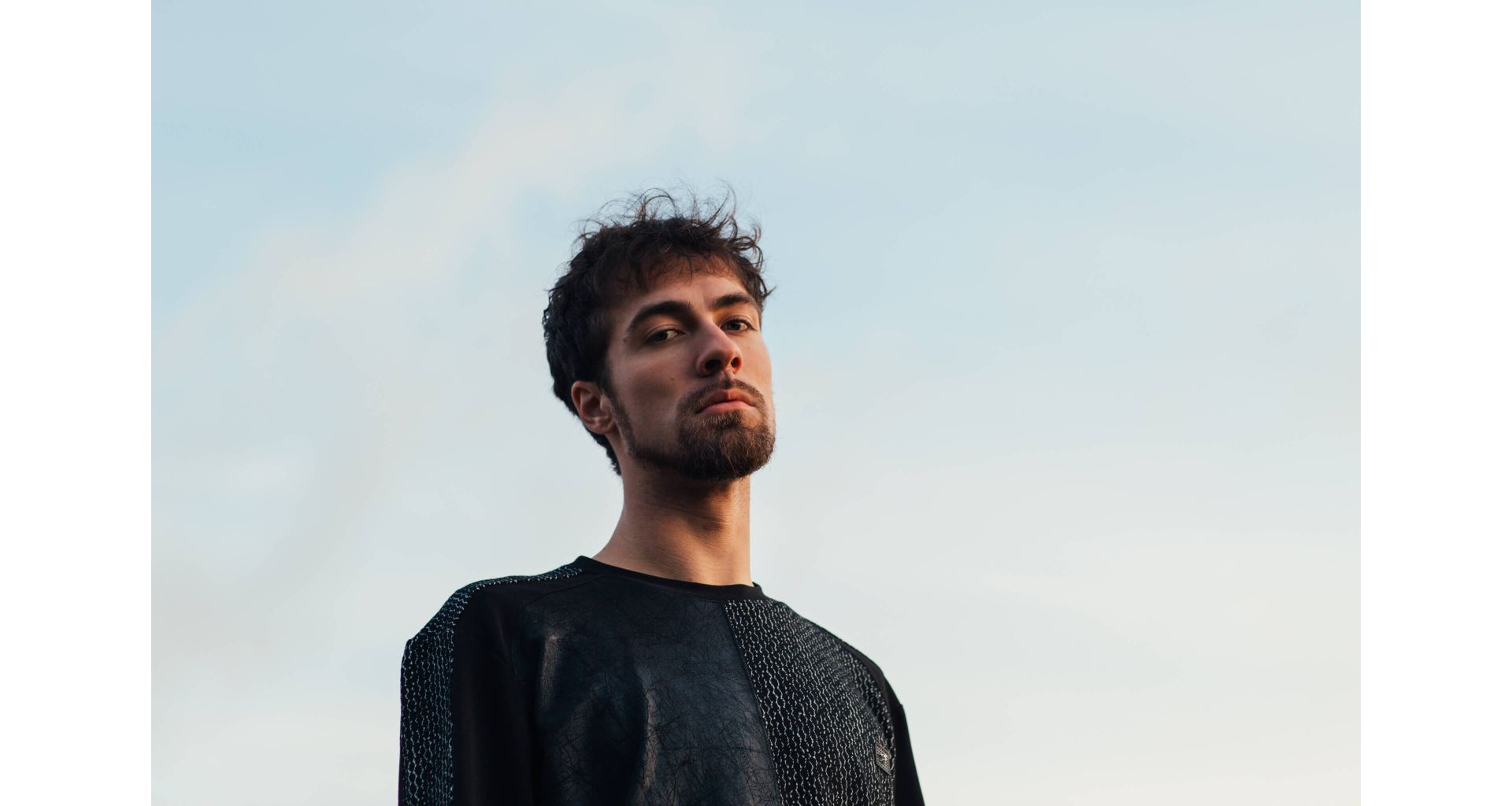
Rising Dallas rapper ZeeTheWizard died from a gunshot wound to the head after a shooting erupted outside a strip club during New Year’s celebrations. The incident unfolded in the early hours of January 1, 2026, leaving four people injured and highlighting the persistent dangers in nightlife venues. Authorities confirmed the violence stemmed from an altercation that quickly escalated into an exchange of gunfire, though the exact trigger remains under investigation.
The shooting occurred around 3:50 a.m. in the parking lot of the Pink House strip club, located near Empire Central and North Stemmons Freeway in Dallas, Texas. Police responded to reports of gunfire at the club’s grand opening event, which followed New Year’s Eve festivities on December 31, 2025. ZeeTheWizard, whose real name was Zee Cannon, was transported to a nearby hospital in critical condition but succumbed to his injuries shortly after; he did not die at the scene. Fellow Dallas rapper BigXThaPlug was at the venue and later shared his shock upon learning of his peer’s involvement, underscoring the close-knit nature of the local hip-hop community. The other three victims received medical treatment for their wounds, with details on their conditions not released publicly. No suspects have been named, and the number of shooters involved is unclear, but the exchange of gunfire suggests multiple participants in the chaos.
ZeeTheWizard had built a promising career in the trap music scene, emerging from Dallas’s underground with tracks like “Wizard Ways” that garnered over 500,000 streams. He recently signed to Future’s Freebandz label in late 2025, aligning with the “New Dallas” music collective and collaborating with artists like BigXThaPlug. Family members identified him as one of the victims, though little has been shared about his personal background beyond his dedication to music. Public records show no known gang affiliations for the artist, who focused on elevating his profession amid a competitive industry.
This loss exposes the deadly intersection of U.S. gang culture and hip-hop, where territorial disputes and retaliatory violence often spill into public spaces, fueled by systemic issues like poverty and firearm accessibility. Many artists rise from challenging environments, yet success offers little protection from street-level conflicts that can escalate into fatal situations over minor disagreements. Data from the Gun Violence Archive reveals dozens of mass shootings at clubs nationwide since 2020, prompting urgent discussions on enhanced security and community programs to break these cycles. In hip-hop circles, such tragedies underscore the importance of utilizing platforms to promote peace rather than perpetuate rivalries, as the genre’s raw storytelling sometimes blurs the lines with real-world dangers.
At least 10 to 15 rappers and hip-hop figures lost their lives in 2025, including DJ Unk, Irv Gotti, Gene “Groove” Allen, G$ Lil Ronnie, Lotto Savage, Sayso P, Jemini The Gifted One, Posta Boy, Chelsea Reject, LPG Qua, Young Scooter, A.D.O.R., and Johnny Trapballer, many falling victim to gun violence. ZeeTheWizard’s death marks a grim start to 2026, potentially the first such incident for a rapper this year as of January 2. This pattern demands broader societal reflection on how to safeguard emerging talents while addressing root causes of urban violence. Industry leaders could lead by investing in mentorship and conflict resolution initiatives, turning grief into actionable change for future generations.