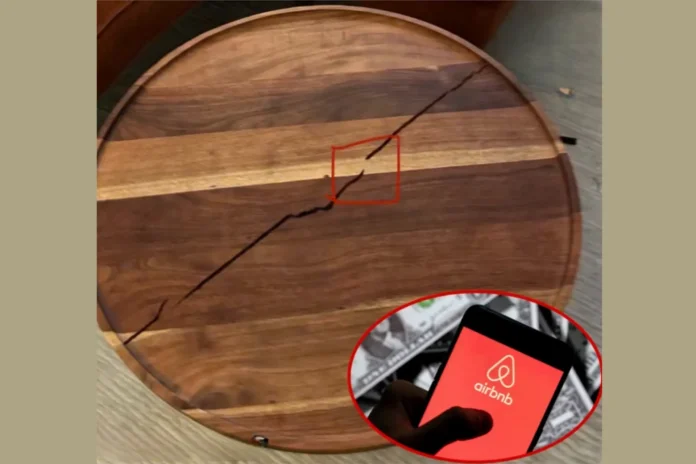
A shocking case of alleged Airbnb AI photo fraud has rocked the short-term rental giant, as a guest was nearly forced to pay thousands for damages she claims never happened, thanks to photos suspected to be AI-generated. A London-based academic, who booked a one-bedroom apartment in Manhattan for a two-and-a-half-month stay, found herself in a heated dispute with her host earlier this year. After leaving the rental seven weeks early due to safety concerns, the host accused her of causing $16,000 in damages, including a cracked coffee table, a urine-stained mattress, and broken appliances.
The evidence? Photos that the guest insists were manipulated using artificial intelligence, an issue of digital evidence integrity reminiscent of our coverage where photo timestamps in the Sean Combs case sparked doubts. The guest, who had only two visitors during her stay, denied the allegations and pointed out glaring inconsistencies in the photos, particularly those showing the coffee table’s cracks, which appeared to change in each image. She argued this was impossible for unedited photos of the same object.
Armed with an eyewitness to confirm the apartment’s good condition when she left, she fought Airbnb’s initial decision to charge her over $7,000 for the alleged damages. Despite her appeals, the company first offered only partial solutions, like a $580 credit and later a $1,133 refund, both of which she rejected, demanding full accountability. The turning point came when media attention pressured Airbnb to reconsider.
Within days, the company reversed its stance, issuing a full refund of approximately $5,730, removing a negative review the host had left on the guest’s profile, and warning the host—a so-called “superhost”—for violating platform rules. The contentious dispute over a negative review, as reported in our coverage of a Kyoto ramen shop offering a bounty on critics, highlights a growing business concern. Airbnb also launched an internal review to examine how the case was handled, signaling a need to address vulnerabilities in their damage claim process.
This incident raises serious questions about the growing use of AI-generated images in disputes. Experts warn that cheap, accessible AI tools make it easier than ever to create convincing but fake evidence, fueling a new type of risk like Airbnb AI photo fraud, and posing threats not just for short-term rentals but also for industries like insurance. The guest expressed concern that others might face similar false claims, especially if they lack the resources to fight back.
Airbnb’s quick action after public scrutiny suggests they’re aware of the issue, but it highlights the need for stronger safeguards, like advanced image verification technology, to protect all users from similar scams.