

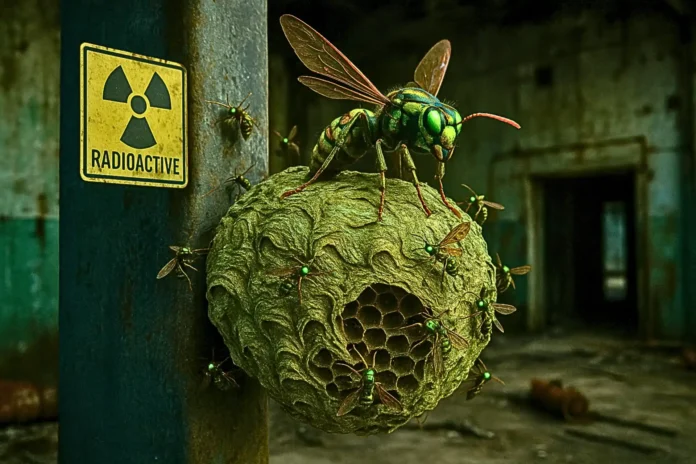
A radioactive wasp nest uncovered at a former nuclear weapons site in South Carolina has sent shockwaves through environmental circles. On July 3, 2025, workers at the Savannah River Site near Aiken stumbled upon the eerie find during a routine inspection near tanks storing liquid nuclear waste. This wasn’t just any nest—it was pulsing with radiation levels 10 times higher than federal safety limits, clocking in at 100,000 disintegrations per minute (dpm). The discovery has sparked urgent questions about lingering contamination at a site with a dark nuclear past.
Quick action followed the find. Workers doused the nest with insect killer, carefully removed it, and disposed of it as radioactive waste. No live wasps were inside, and tests showed no contamination had spread to the surrounding soil or area. The U.S. Department of Energy, which runs the site, chalked it up to “legacy contamination” from the facility’s days as a Cold War nuclear weapons hub. In other words, the wasps likely built their nest with mud tainted by radioactive residues from decades ago, not from a fresh leak.
But not everyone’s buying the official line. Environmental watchdogs are sounding alarms, warning that the nest could be a red flag for broader contamination issues across the sprawling 310-square-mile site. Wasps often use mud or soil to construct their nests, and if that material were radioactive, what else might be lurking undetected? Critics are pressing for answers about how the wasps got hold of contaminated materials and whether other nests—or even wildlife—could be affected. So far, no other radioactive nests or creatures have turned up, but the concern lingers.
The history of the Savannah River Site ignites the fear. Built in the 1950s to make plutonium and tritium for nuclear bombs, the plant shifted focus to cleanup and radioactive waste storage in the 1990s. Its operations created a mess, leaving behind millions of curies of tritium that have seeped into local waterways over decades. The Energy Department insists there is no threat to workers or the public, suggesting the nest was found in a restricted area and wasps typically do not travel away from home. However, activists are calling for full transparency to ensure the radioactivity ghosts in the area do not harm anyone in secret.
Could this mean mutant wasps are buzzing around? Not likely. With no live wasps found, there’s zero evidence of genetic mutations or strange behavior. Science backs this up: studies show insects like wasps can handle high radiation doses, but mutations are usually harmful or neutral, not the stuff of superhero bugs. Any talk of super-strong, radiated wasps is pure sci-fi speculation, not fact.
This unsettling find shines a spotlight on the challenges of managing old nuclear sites. While the nest was safely removed, it’s a stark reminder that the past can still sting.
