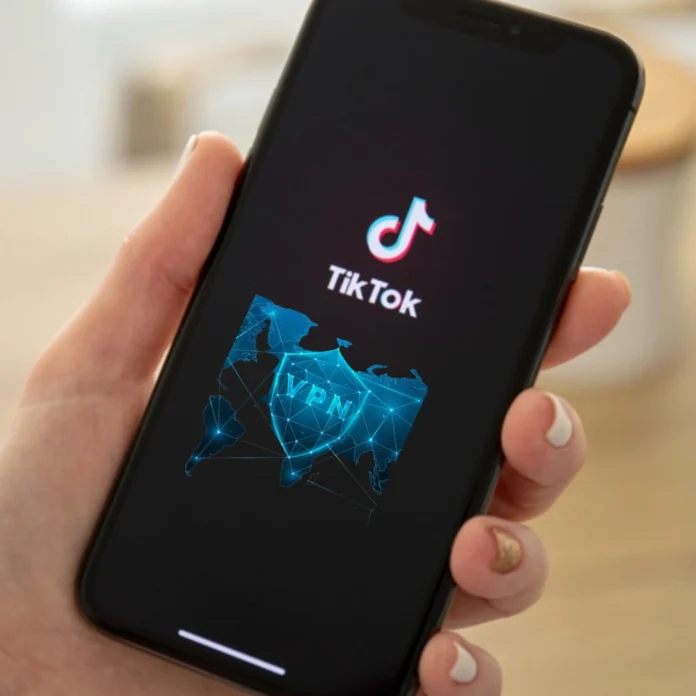
TikTok fans in the U.S. are pulling out all the stops to keep their beloved app alive as a federal ban looms. From emotional farewell videos to an unexpected spike in users learning Mandarin “just in case,” the frenzy is real. But as TikTokers brainstorm creative workarounds, one solution — using a VPN — has sparked serious legal and technical concerns.
At the heart of the controversy is national security. U.S. officials have flagged TikTok, owned by the Chinese company ByteDance, as a potential threat, fearing user data could be accessed by the Chinese government. In response, the Protecting Americans from Foreign Adversary Controlled Applications Act (PAFACA) was passed, targeting apps owned by “foreign adversaries.” The law will kick in on January 19, 2025, banning TikTok from app stores and prohibiting its distribution.
While current users may still have the app installed, accessing or maintaining it could soon become a legal gray area, especially if VPNs are involved.
A Virtual Private Network (VPN) might seem like the perfect solution for dodging restrictions, but it comes with strings attached. According to legal experts, using a VPN to bypass the TikTok ban could put users in direct violation of PAFACA. Neil Elan, a prominent business litigator, warns that accessing TikTok this way would likely constitute illegal activity under federal law.
“Violators could face penalties, ranging from fines to other legal repercussions, depending on enforcement levels,”
Elan says.
While the government hasn’t detailed specific penalties, experts suggest the consequences could escalate if VPN usage becomes widespread. However, enforcement presents its own challenges. Monitoring individual VPN activity is resource-intensive and may only become a priority if violations occur on a large scale.
For the average user, the odds of getting caught might seem low, but widespread attempts to dodge the ban could prompt regulators to crack down harder.
Legal troubles aren’t the only thing VPN users need to worry about. TikTok itself might detect unusual login patterns and flag accounts, leading to potential shadowbans or restricted functionality.
Then there’s the reliability of VPN services. Free VPNs, often riddled with performance and security issues, might not provide adequate protection. Even paid options aren’t foolproof, and connection hiccups could lead to frustrating user experiences.
Ironically, the very tool designed to protect privacy could expose users to new risks. Many VPN providers — particularly free ones — have been criticized for logging user data or failing to prevent leaks.
On top of that, a banned TikTok app won’t receive updates or security patches. This means users accessing it could be vulnerable to cyberattacks, malware, or functionality problems over time.
Using a VPN to access TikTok after the U.S. ban might sound tempting, but it’s far from a foolproof solution. Between potential legal penalties, technical hiccups, and security risks, the cons stack up quickly.
So, what’s the best move? Experts suggest waiting to see if TikTok finds a way to comply with U.S. regulations — or pivoting to new platforms to scratch that short-form video itch. After all, risking a hefty fine or a malware-ridden phone might not be worth it, even for viral fame.