

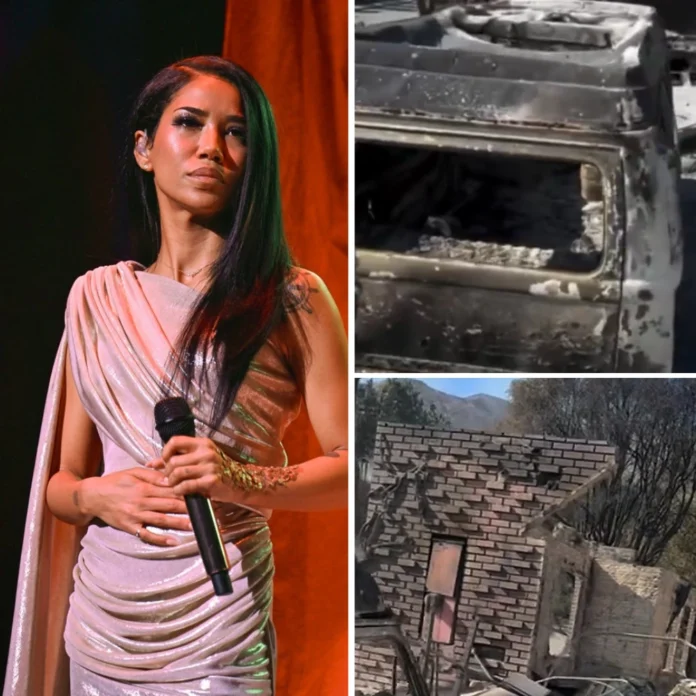
The night sky over Los Angeles transformed into a haunting orange glow as wildfires, fueled by the relentless Santa Ana winds, ravaged the city’s outskirts. The destruction is immense: more than 40,000 acres reduced to cinders, 12,000 structures turned to ash, and 180,000 people displaced from their homes. Since January 7, 2025, these fires have become the city’s most destructive. The aftermath leaves scars deeper than the charred earth and dents countless lives.
Those affected by this disaster include Grammy-nominated singer Jhené Aiko, who sadly revealed that her home had burnt to ashes. In an emotional Instagram post to her followers, Aiko spoke about the loss and perseverance she has been facing.
“Me and my children’s home is gone. Burned to the ground with all of our things inside,”
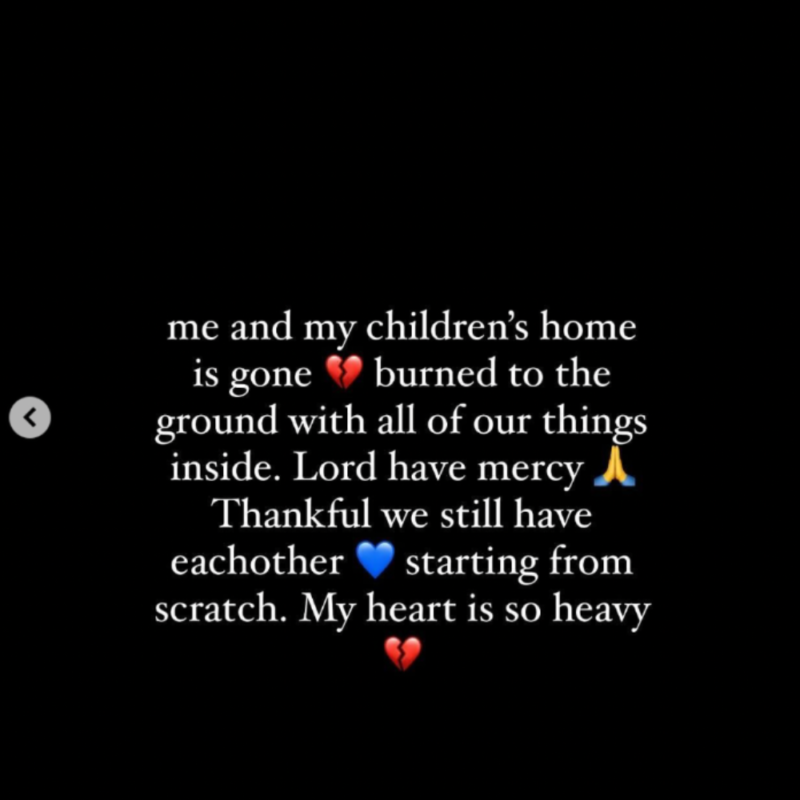
She wrote.
“Praying for everyone this morning — those who lost their home, those who lost their life’s work, those who lost their life.”
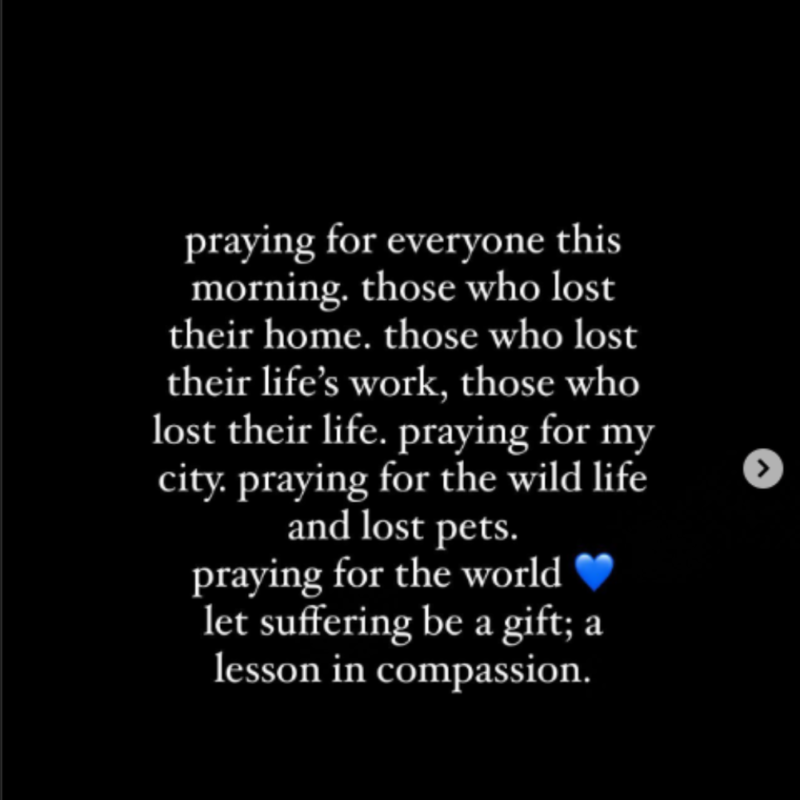
In the middle of all this disaster, she says her heart is set on her two children, 16-year-old Namiko and 2-year-old Noah.
“I’m Thankful we still have each other,”
She said, her thankfulness a beacon out of the ashes.
Aiko later posted harrowing images of what was left of her home-just a brick wall standing where memories once lived. Reflecting on what was lost, she found solace that no one was inside during the fire.
This isn’t Aiko’s first brush with such loss; she recalled a similar tragedy from her childhood when flames also consumed her family home.
”Rebuilding from scratch is hard,” she admitted, “but it’s not impossible when you have love and support.”
Her words ring with anyone who has faced such profound grief, emphasizing that emotional scars often outweigh material losses.
Unfortunately, Aiko’s vulnerability fell prey to unsavory comments in the media, which questioned her emotional display for being celebrity-like. She quickly clarified that she doesn’t have “Paris Hilton money,” but she clearly stated that family is much more important than any amount of money.
“I don’t get it like that,” she said matter-of-factly. But I do have a big, loving family that is worth more than anything.”
Anyone who has ever suffered loss can appreciate that the pain of grief doesn’t discriminate based on income bracket.
These are not the only stories of the toll from the wildfires. According to officials, at least 11 people are dead, and hundreds more are still missing. More than 427,000 have been left without power as thousands begin the long task of rebuilding their lives. Firefighters continue to fight relentless winds and dry conditions to contain the flames. FEMA reports a surge in calls for disaster assistance, further indication of the overwhelming scale of this crisis.
No one has been unscathed; celebrities and regular old Angelenos are feeling the heat. Several celebrity losses include Jeff Bridges in Malibu and socialite Paris Hilton, whose beachside mansion was burned to a crisp. Mandy Moore escaped from her Altadena residence just in time, saying she was “utterly devastated” about her community.
Since this disaster, many celebrities have come out to help with recovery. Jamie Lee Curtis pledged $1 million for wildfire relief, and Halle Berry donated clothing to the displaced families. William McNamara, an actor, took matters into his own hands: organizing animal rescues and asking evacuees to alert responders to pets left behind. These actions do show a common will to rebuild and support each other through this difficult time.
Though such fires test Los Angeles’s toughness, they also call for empathy. Neighbors in the Palisades opened their homes to families in the displaced zone; a pop-up shop created by a neighborhood realtor named Jenna Cooper attracted donations and volunteers from local celebrities and average folks alike.
“The fire took my house, but it didn’t take my hope,” said Carlos Vega, a retired firefighter who lost his family home in Eaton Canyon. Since then, Vega has volunteered at shelters to help his fellow evacuees navigate their new reality—a testament to the city’s indomitable spirit.
Equally disturbing is the environmental fallout from these fires: teeming swaths of wildlife habitat have now been reduced to cinders, displacing untold numbers of animals. While conservationists warn of eventual ecological repercussions—such as soil erosion increasing in severity and disruption of ecosystems—they still hope that nature can heal itself in due course.
These disasters remind them of the multiplying dangers of climate change. The recent prolonged drought and extreme weather variability have finally made such hazards a real vulnerability for California landscapes.
Surviving such a terrible disaster often exerts a very psychological toll on individuals; experts stress communal support and necessary mental health services as a condition for successful recovery. The wildfires also serve as a clarion call to action.
“We have to rethink the way we approach preparedness and response for these events,” said Dr. Elena Chavez, a climate scientist at UCLA. “Investments into sustainable infrastructure and fire-resistant communities are well overdue.”
Jhené Aiko’s story, through this terrible experience, underlined the strength that family and community support give a person in times of adversity. On her road down the long and hard road to rebuilding from scratch, her story echoed that of many who have suffered at the loss of loved ones and reminded all of us of what matters in the times of those critical moments, which is love and compassion.

