

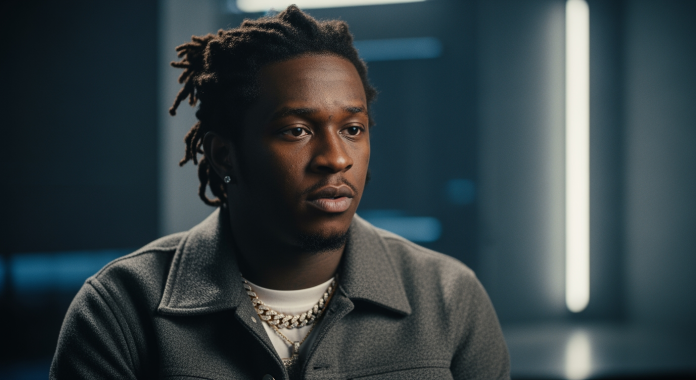
Rapper Young Thug has sparked a significant debate within the hip-hop community, declaring the genre is at an “all-time low.” This assertion follows the highly publicized rivalry between Kendrick Lamar and Drake, contributing to a broader discussion about the current hip hop scene. The Atlanta-based artist, who is currently navigating legal challenges, made these statements during a recent interview, prompting widespread reaction among fans and industry insiders.
During the Young Thug interview, he directly linked the perceived decline to the impact of the Kendrick-Drake beef. He argued that the intense focus on personal conflicts has overshadowed recent creative output and artistic merit. His critique raises pertinent questions about the balance between controversy and genuine artistic expression within the genre.
The rapper’s comments also underscore larger questions about hip-hop’s evolution. The increasing prominence of diss tracks, the pervasive influence of social media, and a shift towards personal narratives are all factors contributing to the ongoing conversation about the genre’s trajectory. Many within the industry echo Young Thug’s sentiments regarding a potential hip hop quality decline.
“I think the quality has gone down,” Young Thug stated in the interview. “The beef took over the music.”
— Young Thug, Rapper
The much-publicized rivalry between Kendrick Lamar and Drake, involving a series of diss tracks, accusations, and extensive media coverage, stands at the center of this discussion. While such conflicts can generate immediate interest, they often divert attention from new musical projects and creative exploration. Young Thug’s statements highlight a perceived shift in artistic priorities.
Social media plays a critical role in accelerating the dissemination of information and shaping public opinion around these rivalries. Its influence amplifies every development, making it a key component in the broader debate concerning the future of rap innovation versus personal drama.
Young Thug’s perspective contributes to a wider, ongoing dialogue about the health and direction of hip-hop. As the genre continues its evolution, the industry closely monitors how these discussions influence artists and their creative decisions. The path forward for hip-hop may depend on successfully balancing dramatic elements with artistic integrity and fostering genuine rap innovation.
This discussion about the Young Thug hip hop state perspective will likely persist as artists and listeners continue to navigate the genre’s dynamic landscape, seeking both compelling narratives and lasting musical resonance.
