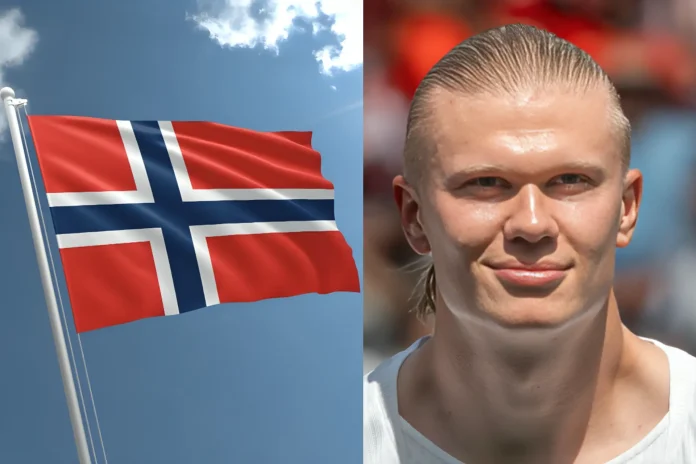
Social media lit up with reactions to reports that Norway’s national soccer team shipped more than 1,000 kilograms of traditional food across the Atlantic for the 2026 FIFA World Cup. Posts highlighted 300 kg of fish, 116 kg of brunost (Norwegian brown cheese), and 6,000 oranges, often paired with images of star striker Erling Haaland and the Norwegian flag. Many users found it amusing, joking about cultural food preferences and elite athletes’ quirks.
Out on social media Instagram, X, then Reddit the idea spread fast, fueled by stories from Dexerto, Yahoo Sports, now AS.com too. People in the U.S., eyes fixed on matches stretching through North America, felt something click: hometown pride mixed with big names, plus jokes about tacos or poutine popping up. Even when pictures turned silly, making fun of American meals, the core never shifted it stayed rooted in how squads handle what they do every day.
A sudden arrival. Norway showed up in North Carolina, back at the World Cup for the first time since 1998. The team settled onto UNCG’s grounds, a quiet patch inside an urban stretch distant from Norwegian winters. Meals did not come from nearby restaurants – instead, they brought along their own kitchen people. Among those preparing food daily: Aron Espeland, whose career of serving sports squads stretches past thirty years. Meals are now made just how players remember consistent, predictable, built around taste memories. Sixty people strong, the entire group eats under one roof, fed by routines that feel like home.
This detail gives the food shipment story some weight, since it ties into plans for a major comeback on the world scene players such as Manchester City’s Erling Haalborg and Arsenal skipper Martin Ødegaard are part of that picture.
The Norwegian Football Federation (NFF) and team officials have not issued detailed public denials; reports cite logistical coordination for the Greensboro camp. No official FIFA statements contradict the details. Secondary reporting from Yahoo Sports, AS.com, beIN Sports, and others draws from team-related sources. Social media amplified it, but the shipment is presented as a standard elite sports practice to maintain dietary routines, avoid digestive issues, and support recovery.
One reason tales about top players go viral? They mix fame, country spirit, odd details, alongside predictable jokes. Star status grows when figures like Haaland leads at Manchester City while Ødegaard captains Arsenal with quiet authority. The gap since Norway last appeared back in 1998 makes their current behind-the-scenes work more noticeable. When levels get extreme, what athletes eat matters deeply; squads often tweak food plans aiming for tiny improvements in gut health, rest patterns, plus stamina across time zones and weather shifts.