Japan’s Ministry of Foreign Affairs has contacted the U.S. Embassy in Tokyo multiple times over the Trump administration’s use of Japanese anime, manga, and video-game intellectual property in official social-media posts. The ministry stressed that even public institutions need rights-holder permission and warned of potential copyright problems plus damage to the franchises’ global image.
According to Mainichi Shimbun reporting amplified by IGN and others, the outreach happened in April and June 2026. Officials told the American side that
“even public institutions require permission from the creator when using intellectual property”
and asked them to weigh the risk of copyright issues and harm to the works’ reputation. Foreign Minister Toshimitsu Motegi earlier said it is inappropriate for public bodies to reproduce copyrighted material without consent, referencing a White House video that mixed military footage with Nintendo’s Wii Sports. Economic Security Minister Kimi Onoda later emphasized that obtaining permission is the basic principle and that inappropriate use
“can damage the work’s image and cause harm to the rights holder.”
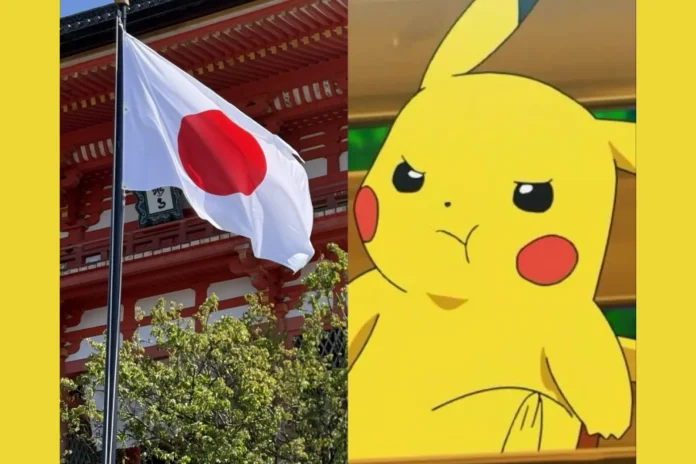
The pattern began in September 2025 when the Department of Homeland Security posted a video pairing ICE arrests with Pokémon anime clips, the original theme song, and the slogan “Gotta Catch ’Em All,” plus mugshots redesigned as trading cards. The Pokémon Company stated it was not involved, did not create or distribute the content, and granted no permission. In March 2026 the White House shared a “Make America Great Again” graphic styled after Pokémon Pokopia the company again said no permission was given and its mission is non-political. The same period saw posts blending military imagery with Yu-Gi-Oh!, Dragon Ball, and Wii Sports footage. Rights holders issued similar disclaimers.
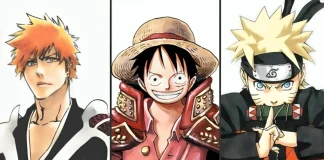
In June 2026 President Trump posted an AI-generated video on Truth Social depicting himself as Naruto Uzumaki. The clip drew fan backlash and helped revive a petition opposing political use of Japanese manga and anime that gathered more than 20,000 signatures. Reports also noted Mario-related material tied to NASA’s Artemis II mission among other Nintendo references.
Many posts continued to remain online as of early August 2026. The Japanese government has regarded the issue as a diplomatic and reputational matter rather than a judicial one. It is notable that no court has formally ruled the posts to be infringing, and the US government has not issued public admissions of guilt. According to US copyright law, the doctrine of “fair use” was not a given in this case, as political or official use did not automatically grant exemption from liability, especially concerning recognized characters, music, and visual elements.
The dispute involved copyright issues, political aspects, and cultural diplomacy, as Japan’s cultural export products are of significant importance to the country. The frequent use of intellectual property in the context of immigration control and military force could be seen as an attempt to undermine the reputation of Japanese cultural heritage. For America, this story demonstrates that even the closest allies are not above criticism when it comes to the use of popular culture in politics, and it is impossible to predict what retaliatory measures can be taken in response to such actions. The future will show whether steps have been taken in Washington to change the social media policy or whether Tokyo will have to repeat its actions.