

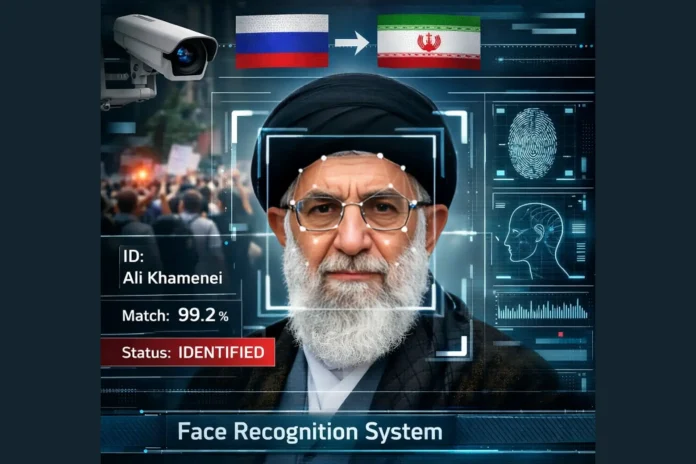
U.S. sanctions are supposed to choke off authoritarian regimes from advanced tools of repression. But a bombshell investigation shows Iran quietly bypassed them in 2019 to grab powerful Russian facial recognition software now used to scan crowds, match faces to ID databases, and snatch dissidents in seconds. For Americans watching global tech flows and human rights, this is a stark reminder: authoritarian governments are building digital police states with help from each other, and Western restrictions aren’t always stopping them.
On August 19, 2019, Iranian firm Rasad Intelligent Technologies known as Rasadco signed a contract with Russia’s NtechLab for rights to its flagship FindFace software.
“This made Rasadco a systems integration partner,”
the leaked documents show. Later that year, Rasadco merged into Kama, a company with close regime ties. Kama then quietly resold the technology to Iran’s Ministry of Intelligence and Islamic Revolutionary Guard Corps (IRGC).
A tweet from X.
Contracts uncovered in the probe ranged from 4 billion rials (about €86,000 at the time) to 9 billion rials (€180,000). One deal covered an unlimited license; another added real-time tracking for 200 cameras and a 300-million-event database.
Think of FindFace as supercharged facial recognition the kind debated in U.S. cities over police use and privacy lawsuits. In Iran, it’s different. The software pulls live or recorded footage from any camera, matches faces against national passport and ID photo databases, and identifies people in seconds with up to 98% accuracy even in crowds of thousands. It builds “social graphs” of who knows whom and tracks movements, license plates, and more.
Leaked videos show the interface running in Tehran metro stations like Panzdah E Khordad, flagging faces instantly.
NtechLab’s technology already helped Russia track anti-government protesters and was showcased at the 2018 FIFA World Cup. The company now faces EU sanctions from 2023 and U.S. blacklisting from 2024 for enabling repression. Iran used shell companies to keep the purchase hidden and evade those same restrictions.
The joint investigation coordinated by Forbidden Stories and published March 3, 2026, with partners including Le Monde, Der Spiegel, ZDF, Tamedia, and Paper Trail Media relies entirely on verified contracts and internal company documents. No speculation, just primary evidence.
This isn’t abstract foreign intrigue. It’s sanctioned Russian tech ending up in the hands of another U.S.-designated threat actor, undermining sanctions enforcement and fueling a surveillance machine that crushes calls for freedom. As Trump and Netanyahu urge Iranians to rise up, the regime now has eyes everywhere turning public spaces into trap doors.

