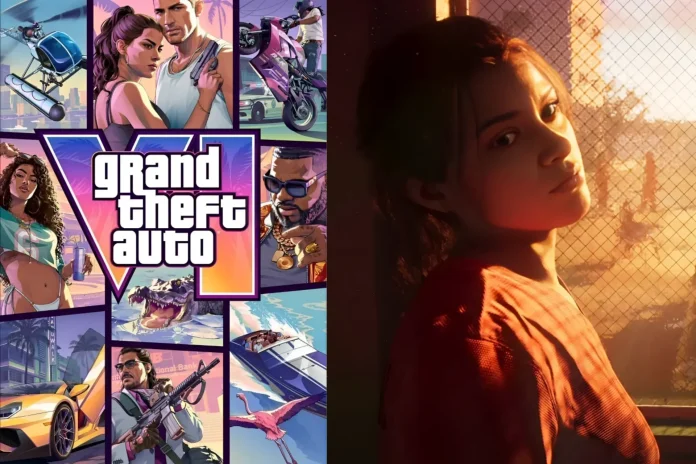
Grand Theft Auto VI arrived on November 19, 2026, and immediately rewrote the record books. Within days, industry analyst Rhys Elliott of Alinea Analytics was already arguing that the game’s staggering success might mark the end of an era rather than the start of a new one.
Elliott estimates the title sold through roughly 44.9 million copies and generated more than $4 billion in gross revenue by the end of its first four days. His breakdown puts about 33.7 million copies on PlayStation 5 and 11.2 million on Xbox Series X|S. Those figures are third-party estimates, not official tallies from Rockstar Games or its parent company, Take-Two Interactive.
Take-Two’s own numbers, released the day after launch, were already historic. The company reported 32.5 million pre-release units and an estimated $3.79 billion in worldwide retail sales through the end of November 19. It called the debut the biggest entertainment launch in history across any medium. GTA V, released nearly 13 years earlier, has sold nearly 235 million copies lifetime. The gap between the two games only heightened the anticipation.
Elliott does not dispute the scale of the achievement. He has described the game itself in glowing terms a dense, reactive open world in the Florida-inspired state of Leonida, strong writing for protagonists Jason and Lucia, and a generational leap in fidelity. At the same time, he frames the commercial triumph as a potential swansong.
“No competent executive is looking at these numbers and saying ‘ooo, let’s greenlight our own $1B Grand Theft Auto,’”
Elliott has argued. He points to years of industry layoffs, rising development costs, funding pressures, and a string of high-profile failures. Publishers have already chased the next Fortnite or World of Warcraft killer with mixed-to-poor results. In his view, GTA 6 benefits from unique conditions that are nearly impossible to replicate: a decade-plus wait, unmatched brand power, and an audience that never really left.
He calls the game a bookend for the ultra-long, ultra-high-budget AAA model rather than a template others can follow. The industry, he suggests, is entering a less certain and more interesting phase.
For American gamers who have waited more than a decade, the irony is hard to miss. The biggest launch the medium has ever seen may also be the one that makes publishers think twice about trying to match it.