

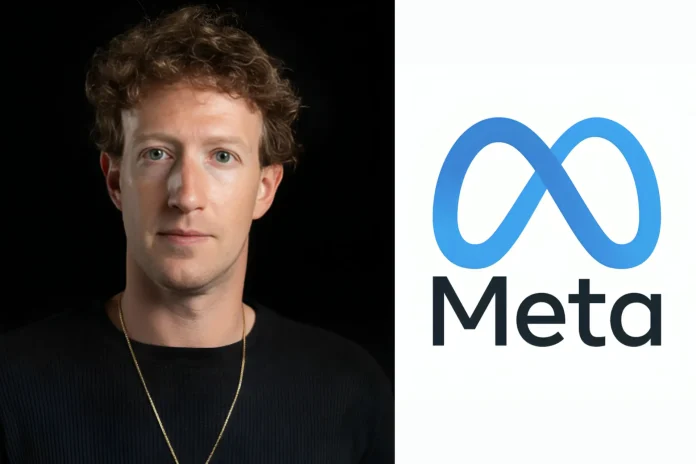
Five major publishers and bestselling author Scott Turow have filed a massive class-action lawsuit against Meta and Mark Zuckerberg, accusing the company of one of the biggest copyright heists in history to supercharge its AI ambitions.
The suit, filed on May 5, 2026, in federal court in Manhattan, claims Meta deliberately downloaded millions of pirated books, textbooks, novels, and academic articles from notorious shadow libraries like LibGen, Sci-Hub, and Anna’s Archive. These massive troves were then used to train the company’s Llama AI models.
Hachette Book Group, Macmillan Publishers, McGraw Hill, Elsevier, Cengage, and novelist Scott Turow (acting as class representative) say Meta copied more than267 terabytes of copyrighted material, stripped away copyright notices, and used everything without permission or paying a dime.
A tweet from X.
This wasn’t some rogue employee move, according to the complaint. Internal documents allegedly show Zuckerberg himself signed off on the strategy and pushed his team to skip legitimate licensing deals in order to “win the AI race.” The lawsuit paints it as classic Meta: move fast, break things, and worry about consequences later.
“Meta reproduced and distributed millions of copyrighted works without permission, without compensation, and with full knowledge,”
The filing states.
For authors and publishers, the damage feels existential. They argue that Llama can now generate summaries, imitate writing styles, and churn out competing content, eating into sales and licensing opportunities across fiction, education, and scholarly publishing. Among the works allegedly used: books by James Patterson, Donna Tartt, N.K. Jemisin, and even some titles connected to former President Joe Biden.
The ripple effects could reach everyday American users too. How this case turns out may decide whether AI tools like Meta AI are built by respecting creators’ rights or by treating the world’s intellectual output as raw material for the taking.
This lawsuit is the latest major battle in a growing legal war over whether scraping vast amounts of copyrighted material to train AI counts as “fair use.” Publishers insist that copying millions of entire works from pirate sites for commercial gain goes way beyond fair use. Meta has pushed back hard on similar claims before, arguing that training AI on published material is transformative and protected.
A company spokesperson said:
“AI is powering transformative innovations, productivity, and creativity for individuals and companies, and courts have rightly found that training AI on copyrighted material can qualify as fair use. We will fight this lawsuit aggressively.”
It stands out because the lawsuit targets Zuckerberg himself. That kind of step doesn’t happen often, pointing instead to a belief among those filing it his hand shaped how stolen information moved forward when proper paths existed.
Now comes a demand for payment, along with demands that copied versions be destroyed, while also pushing for legal orders to block further use by Meta. Starting slow, yet ahead lies a phase where private messages and notes may surface – ones that won’t sit well inside those offices near the park.
One way or another, what happens in court will matter a lot. It goes beyond dollars. The real question is if tech giants can still rush ahead by imitating others’ work while arguing rules later – or if artists, writers, and inventors might actually gain some say. What comes next could shift who holds power in shaping artificial intelligence.

