

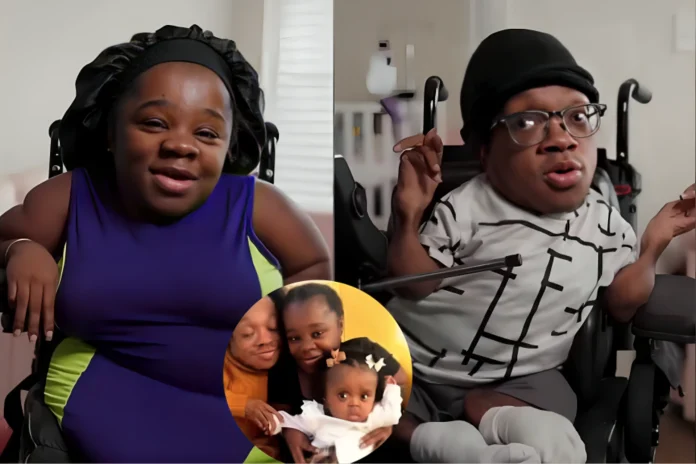
Antwon (known online as Antwon Man) and Dejua (Deja or Dej), a TikTok-famous couple both living with osteogenesis imperfecta (OI)—commonly called brittle bone disease—have gone public with their daughter Atarah, born prematurely in 2025. The family’s story of love, resilience, and parenting with significant disabilities has captivated millions, while also igniting heated discussions about reproductive choices, disability rights, and quality of life.
Osteogenesis imperfecta is a rare genetic connective tissue disorder caused by mutations that affect collagen production, leading to extremely fragile bones that can fracture with minimal or no trauma—such as sneezing, coughing, or gentle handling. Other common effects include short stature, skeletal deformities, hearing loss, dental problems, and blue or gray sclera (the whites of the eyes). Severity varies widely, but many people with moderate-to-severe forms rely on wheelchairs, undergo multiple surgeries (including rodding procedures to strengthen bones), and require careful daily care.
Antwon and Deja have openly shared that, between them, they have endured over 600 fractures in their lifetimes. Their shared experiences with OI have deepened their bond, allowing them to understand each other’s pain, limitations, and needs in a unique way. The couple, who document their lives as a “power couple” through humorous skits, daily vlogs, and advocacy against ableism on TikTok (@antwontheofficial and @dej396), had long faced societal stares and online trolling before expanding their family.
Doctors warned the couple that because both parents have OI (typically an autosomal dominant condition), any biological child would have a very high chance—often cited in their updates and coverage as near-certain—of inheriting the disorder, frequently with similar severity. In cases where both parents have dominant forms of OI, the probability of a child inheriting at least one mutated gene can reach 75% or higher, depending on the specific genetics.
Deja’s pregnancy carried serious risks to her own health due to her fragile bones and body, including potential fractures, respiratory complications, and high blood pressure. Complications did arise: her blood pressure spiked, necessitating an emergency C-section. Atarah was born prematurely at around 29 weeks’ gestation (described in some accounts as a micro-preemie), requiring immediate intubation and intensive care. Deja herself spent time in the ICU recovering from breathing difficulties before she could see her daughter.
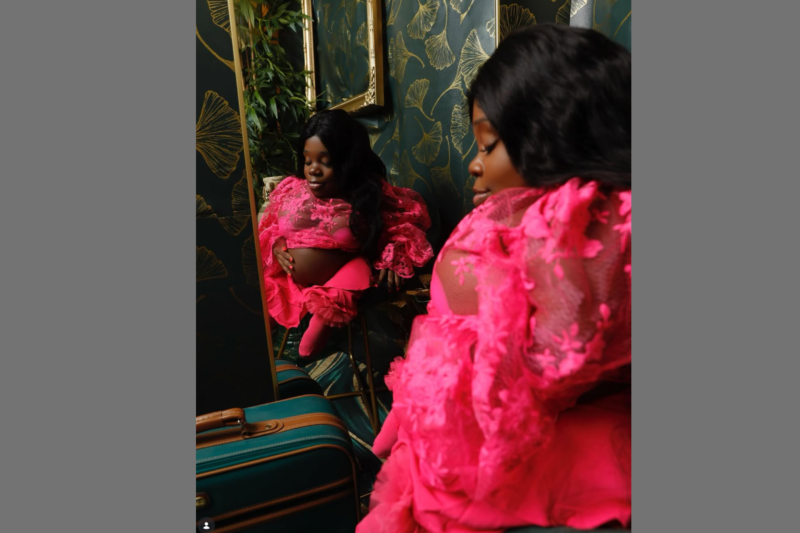
Genetic testing confirmed Atarah has the same form of OI as her parents, matching Antwon’s mutation in reported updates. She experienced fractures and other complications during her extended hospital stay.
Atarah spent approximately 11 months in the NICU (often referred to by the family and in coverage as “over a year” when including monitoring and recovery). This extended stay, typical for extreme preemies but intensified by OI-related issues such as fragile bones, respiratory challenges, and feeding difficulties, was an emotional rollercoaster for the family. Deja was initially unable to hold her baby due to her own post-delivery recovery and physical limitations.
The couple shared glimpses of the journey—milestones, setbacks, hope, and fear—while emphasizing their deep love and preparedness to parent a child with OI. Atarah was discharged home around late 2025, just days before her first birthday. By about 15 months old in later updates, she was described as “thriving” at home, with no new fractures reported since leaving the hospital.
In heartfelt videos, the family introduces their daughter: “I’m Antwon. And I’m Deja. And we both have one baby girl… We have osteogenesis imperfecta. A bone condition that causes us to break easier than quote unquote normal. Our daughter was born with the same condition like us.”
After teasing the pregnancy and baby’s existence, Antwon and Deja began sharing more openly in late 2025 and early 2026, including full reveals and appearances on the YouTube series My Extraordinary Family (Truly Show) in episodes such as “We’re The Family With Bones Like Glass” and “We’re Not ‘Selfish’ For Having A Baby With Our Condition.”
Many have praised the family’s story as an inspiring example of disabled parents building a life filled with love and joy, highlighting their unique ability to understand and care for a child with OI. Supporters point to the couple’s advocacy against ableism and their message that lives with the condition can be full and worthwhile.
Others have criticized the decision as irresponsible, arguing that knowingly bringing a child into the world with a near-certain chance of a painful, lifelong condition involving frequent fractures, surgeries and extensive medical needs raises difficult questions about quality of life and reproductive choices. The backlash has included accusations of selfishness, with some questioning whether adoption should have been considered instead.
The couple has directly addressed the negativity in videos, pushing back firmly. They stress their happiness, Atarah’s well-being, and urge others not to “judge a book by its cover” or assume disabled lives are not worth living. Antwon has been quoted with a blunt message for critics: “Get over it, we had a baby!”
As of early 2026 updates, Atarah is home with her parents and continuing to develop in her own way. The family keeps posting about daily life, parenting adaptations, and responding to comments on TikTok, Instagram, and other platforms.
The story has fueled wider debates on TikTok, YouTube, and social media about hereditary conditions, disability rights, ableism, genetic counseling, and societal attitudes toward parenting by people with disabilities. OI itself is manageable with treatments like bisphosphonates, physical therapy, surgery, and supportive care, though severe forms can involve reduced life expectancy and ongoing needs. Many adults with OI lead independent, productive lives.
Antwon and Deja’s journey continues to evolve through their content, offering a window into the realities—and joys—of building a family against significant odds. Their transparency has both inspired supporters and provoked critics, underscoring deeply personal questions that have no easy answers in public discourse.

