

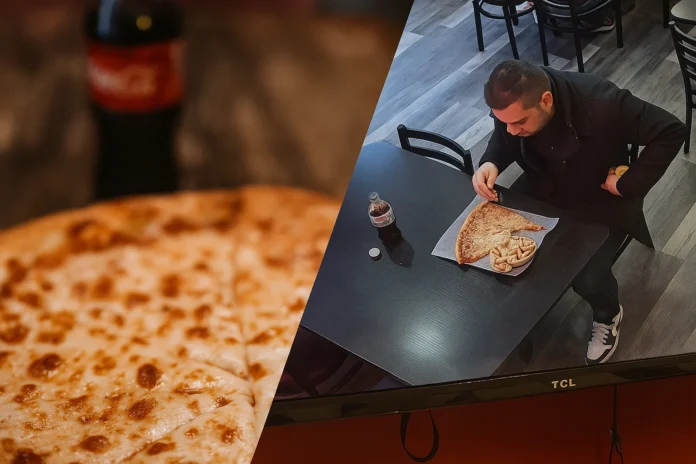
A Chicago pizzeria has gone viral for all the wrong reasons — after a customer was caught on camera slipping a parmesan cheese shaker into their pocket.
In the now widely shared footage, the diner can be seen finishing their pizza, looking around, and then casually taking the small shaker from the table before walking out. The video, originally shared by the restaurant’s owner, quickly spread across TikTok and X (formerly Twitter), drawing both laughter and frustration online.
“People thought it was funny,” the owner told local reporters. “But when this happens every week, it’s not a joke. It adds up.”
The parmesan heist is part of a bigger — and troubling — trend that’s been growing across social media. On TikTok, users have been posting videos showing off items they’ve taken from restaurants — from cups and plates to steak knives and condiment bottles — often treating them as “souvenirs” or trophies.
In one viral clip, a creator proudly displayed more than 50 items from her self-described “restaurant collection,” including dishes from upscale chains like Ruth’s Chris and Eddie V’s. When questioned in the comments, she joked that “everyone does it — just not everyone admits it.”
While many commenters laugh off the behavior, restaurant owners say the financial toll is no laughing matter.
Experts say these “small” thefts add up fast. The average restaurant loses between 3.5% and 6% of total sales every year to theft and waste, according to industry estimates — roughly $35,000 per $1 million in annual revenue.
Quick-service restaurants are hit especially hard, losing about 7% of sales to theft — and not just from customers. In fact, employee theft accounts for up to 75% of inventory shortages, contributing to nearly a third of restaurant closures nationwide.
“When margins are this thin, even a missing shaker or stolen plate makes a difference,” said one Chicago restaurant manager. “We’re already fighting higher food and labor costs — now we have to budget for disappearing tableware too.”
Social media has played a major role in normalizing the behavior. Videos of people pocketing silverware or glasses often rack up millions of views, with some users justifying their actions by claiming restaurants “overcharge” customers.
But behind the jokes, workers say they’re often the ones left to pay the price. “If something goes missing, management blames the staff,” said a Chicago server. “It’s not funny when it comes out of your paycheck.”
To prevent further losses, more restaurants are installing security cameras, using point-of-sale tracking software, and tightening inventory controls. Some owners even post signs asking customers not to take items home — a move that’s prompted both sympathy and more viral mockery.
Still, for restaurant owners, the message is simple: these small acts aren’t harmless.
