

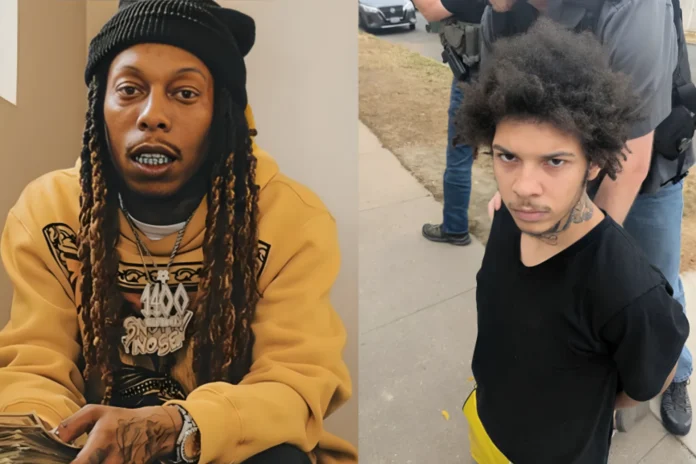
After more than a year on the run, Adrian Cameron Jr. was arrested in Los Angeles on May 28, 2025, bringing a significant development to the high-profile murder case of rapper Chris King in Nashville.
Cameron, 19 at the time of the crime, is accused of fatally shooting King during a robbery attempt in April 2024 while out on bond for a prior murder charge and wearing a court-ordered ankle monitor, which he allegedly cut off after the incident. The arrest, a result of coordinated efforts between Nashville’s TITANS Unit and an FBI/LAPD Task Force, has reignited debates about bail reform, electronic monitoring, and public safety.
The shooting took place around 2:30 a.m. on April 20, 2024, in a Midtown Nashville alleyway outside a music studio on Hayes Street. Christopher Cheeks, known professionally as Chris King, was a 32-year-old rapper from California with deep ties in the entertainment industry, including a long-standing friendship with Justin Bieber, with whom he once shared a home.
According to the Nashville Police Department, King was with friends when three men approached them. What began as a friendly interaction turned violent when the suspects attempted to rob the group, resulting in gunfire that killed King and wounded a 29-year-old companion. Despite medical efforts at Vanderbilt University Medical Center, King succumbed to his injuries.
King’s death sent ripples through the music world. Bieber shared a heartfelt Instagram tribute:
“Love you bro. This one hurts. Please keep his family in your prayers.”
Trippie Redd wrote,
“I love you until we meet again twin! I would not be where I am today without@whoischrisking.”
Machine Gun Kelly and actor Keke Palmer also mourned his loss, underscoring King’s widespread influence and positivity.
Adrian Cameron Jr.’s fugitive status began immediately after the shooting when his ankle monitor signal ceased, indicating it had been severed. At the time, Cameron was awaiting trial for the 2021 murder of Josh Evans, a 50-year-old from Lebanon, Tennessee, and had been released on a $100,000 bond with electronic monitoring.
The Nashville Metro Police Department’s Homicide Unit and Specialized Investigations team swiftly issued a criminal homicide warrant, but Cameron’s flight from justice prolonged the case. Another suspect, Amir Carroll, was detained in February 2025, but Cameron remained at large until this week.
Identified as one of three suspects in King’s murder, a criminal homicide warrant was issued, but Cameron had already fled, sparking a year-long manhunt. On May 28, 2025, he was apprehended exiting a Los Angeles residence, thanks to a joint operation by Nashville’s TITANS Unit and an FBI/LAPD Task Force.
Cameron’s case has fueled intense discussions about the criminal justice system. Already on bond for a prior murder, his alleged ability to commit another violent crime while monitored has drawn criticism. Nashville Police Chief John Drake stated,
“The safety of our community should be a real consideration in the setting of bonds and pretrial release conditions.”
State Representative John Gillespie echoed this, advocating for tougher policies and a focus on juvenile crime, noting Cameron’s case had moved from Juvenile to Criminal Court. Verna Wyatt of TN Voices for Victims called the reliance on ankle monitors for violent offenders “ridiculous.”
Conversely, defense attorneys argue that such incidents are outliers, cautioning against policies that could unfairly penalize low-risk defendants. They suggest media amplification may skew public perception, urging a balanced approach to reform.
Cameron now awaits extradition to Nashville to face charges for both murders. The case, blending celebrity tragedy with systemic questions, remains under scrutiny. King’s death highlights the personal toll of violence, while Cameron’s arrest underscores law enforcement’s persistence and the challenges of tracking fugitives. As the judicial process unfolds, this case may shape future policies on bail, monitoring, and repeat offenders, balancing public safety with defendants’ rights.

